Collector's Shelf · Sasha & John Digweed
Sasha & John Digweed — Northern Exposure 2: East Coast / West Coast
Two discs, two moods and one properly thought-through journey: East Coast bends breaks, psychedelia and melody together; West Coast gets colder, straighter and more trance-facing without losing the patience that made Northern Exposure work.
Ad · eBay Ambassador — The Mix Archive may earn a commission if you buy through links on this page.
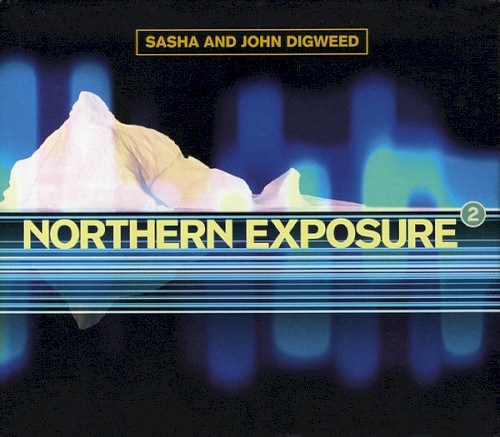
Release details
- ArtistSasha & John Digweed
- Year1997
- LabelMinistry of Sound
- Format2 × CD
- Catalogue numberNECD2
The sequel gets to the point quicker — but it still makes you work for it
Northern Exposure 2 had a horrible job. The first Northern Exposure had already proved Sasha and John Digweed could make a mix CD feel like its own world. Repeating it would have been pointless. Throwing the whole idea away would have been worse.
So they tighten it. The original could drift for ages before the dancefloor properly appeared. East Coast / West Coast still loves atmosphere, but there is more momentum underneath it from the start. You can hear progressive house being pulled towards breaks and trance in real time.
The UK double CD landed on 14 July 1997. That date matters because the music sounds exactly like a scene in motion: the loose mid-90s progressive idea is still there, but the late-90s scale is arriving fast.
East Coast is the warmer, stranger half
GusGus — Believe in the 16B mix is a brilliant opening because it does not announce some giant sequel. It slides in. Furry Phreaks follows with two versions of Soothe folded together, and suddenly the whole disc feels half club, half after-hours room.
That is what East Coast does best. It keeps changing texture without turning those changes into obvious chapter breaks. Violet, Prana and The Acoustic Hoods pull it through a psychedelic, slightly elastic stretch where the groove matters more than a recognisable anthem.
If you came here looking for the big Sasha-and-Digweed mythology, the first half is a useful reminder: they were at their best when the less famous records did the bloody work.
The breaks aren’t a detour. They’re the engine.
By 1997, breaks were not some novelty sitting outside progressive house. They were one of the ways DJs could change the pressure without stopping the journey. Frontside, Spooky and Überzone give East Coast a different physical feel without making the mix sound fragmented.
Spooky — Little Bullet is especially good here. The Live Version does not need to behave like a peak. It deepens the atmosphere, then makes the harder electronic movement around it feel even sharper.
That contrast is the reason a complete mix still beats a playlist. The tracks are good. The way one changes what the next track feels like is better.
Reeferendum into Angel is where East Coast opens right out
Fluke — Reeferendum and Lost Tribe — Angel bring a more obvious progressive-trance pull into the last third. The important bit is how long the disc waits before giving you that scale.
By the time GusGus — Purple and Hybrid — Symphony arrive, the mix has moved a long way from Believe without ever sounding as though someone flicked a genre switch. Symphony is a perfect closer because it carries drama and breaks together rather than tidying the whole thing into one neat definition.
East Coast ends bigger than it starts, but not because somebody stacked three anthems at the end. The journey makes it bigger.
Tracklist — East Coast
- GusGus — Believe (16B Mix)
- Furry Phreaks — Soothe (Chicane Jazz) / Soothe (Chicane Cyanide Ride)
- Violet — Central Pro. NYC
- Prana — Geomantik
- The Acoustic Hoods — Cycles of Time
- Frontside — Dammerung
- Gez Dewar & Nick Hale — Doi-Oing – Blue (Blue Ether Mix) / The Experiment – Blue (Close Enough for Jazz Mix)
- Spooky — Little Bullet (Live Version)
- Überzone — Botz
- Fluke — Reeferendum
- Lost Tribe — Angel
- GusGus — Purple
- Hybrid — Symphony
Hear East Coast as a complete build
Start with Believe and leave it alone. The point is hearing the breaks, psychedelia and melody slowly fold into one another until Hybrid feels like the only sensible place to finish.
West Coast feels colder almost immediately
Cygnus X — Positron is a very different opening statement. Cleaner. More electronic. Less loose. Speedy J and Humate keep the first stretch controlled enough that the disc feels like a genuine second side rather than another hour of the same idea.
The difference is not East equals breaks and West equals trance. That would be too tidy. It is more about temperature. West Coast sounds more metallic, more nocturnal and more willing to hold you inside repetition for longer.
If East Coast moves by changing texture, West Coast often moves by tightening the same pressure until you suddenly realise you are somewhere else.
The middle is late-90s progressive trance before the formula hardened
Sven Väth, The Light, Third Man and L.S.G. sit in the section that explains the era best. There is trance in the language, obviously, but it still behaves progressively. Long structures. Slow changes. No need to stop the mix every few minutes for a giant emotional reset.
L.S.G. — Netherworld in the Jules Verne Mix is the sort of record that can make a whole section feel deeper without shouting for ownership of it. That restraint is all over West Coast.
This is why 1997 is such a good year to revisit. The music can be melodic and huge without yet sounding designed around one predictable payoff.
Blue Fear only works this well because they make you wait
Taucher and Art of Silence keep the last stretch spacious. Transa — Enervate pushes things forward, and then Armin — Blue Fear closes the release.
Blue Fear is the obvious name now. In the mix it does not feel like a future superstar cameo. It feels like the final point of a disc that has spent more than an hour moving gradually towards brighter trance.
That difference matters. Take the track out and it is a classic. Hear it here and it is the ending. That is a better reason to want the CD again than any claim about rarity or collectability.
Tracklist — West Coast
- Cygnus X — Positron
- Speedy J — Fusion (Live)
- Humate — 3.2
- Sven Väth — An Accident in Paradise (William Orbit & Spooky Remix)
- The Light — Panfried (Original Mix) / Panfried (Mind Over Matter Mix)
- Third Man — Solar Cycle (Arrangement Two)
- L.S.G. — Netherworld (Jules Verne Mix)
- Taucher — Waters (Phase III)
- Art of Silence — Teach Me (Clean & Serene Mix by Mantra)
- Transa — Enervate
- Armin — Blue Fear (Original Extended Mix)
East Coast and West Coast are better together
You can pick a favourite. I probably would depending on the day. But the release makes more sense when the contrast stays intact.
East Coast has more colour and broken rhythm. West Coast feels cleaner, colder and increasingly trance-facing. Put them together and you get a better picture of where progressive music actually was in 1997 than any tidy genre definition can give you.
That is the WIIFM here. You are not buying two old CDs because they are old. You are getting the complete argument: two different ways Sasha and Digweed could make long-form progressive music move.
Why this one still deserves shelf space
Because the sequel is not a photocopy. It keeps the patience and the sense of journey, then swaps some of the original’s fog for sharper rhythm, brighter trance and a slightly more direct club instinct.
And because one glance at the tracklist tends to start the memory chain. Little Bullet. Reeferendum. Symphony. Netherworld. Blue Fear. You hear one of those in your head and suddenly the whole release is back.
That is the point of owning it. The physical copy is not the story. The mix is the story. The copy is the thing that puts that story back on your shelf.
Related on The Mix Archive
Want East Coast and West Coast back as one release?
If Little Bullet, Reeferendum, Symphony, Netherworld or Blue Fear has already started playing in your head, revisit the full two-disc journey. The reason to own Northern Exposure 2 is not the plastic. It is having both moods, in the order they were meant to unfold.