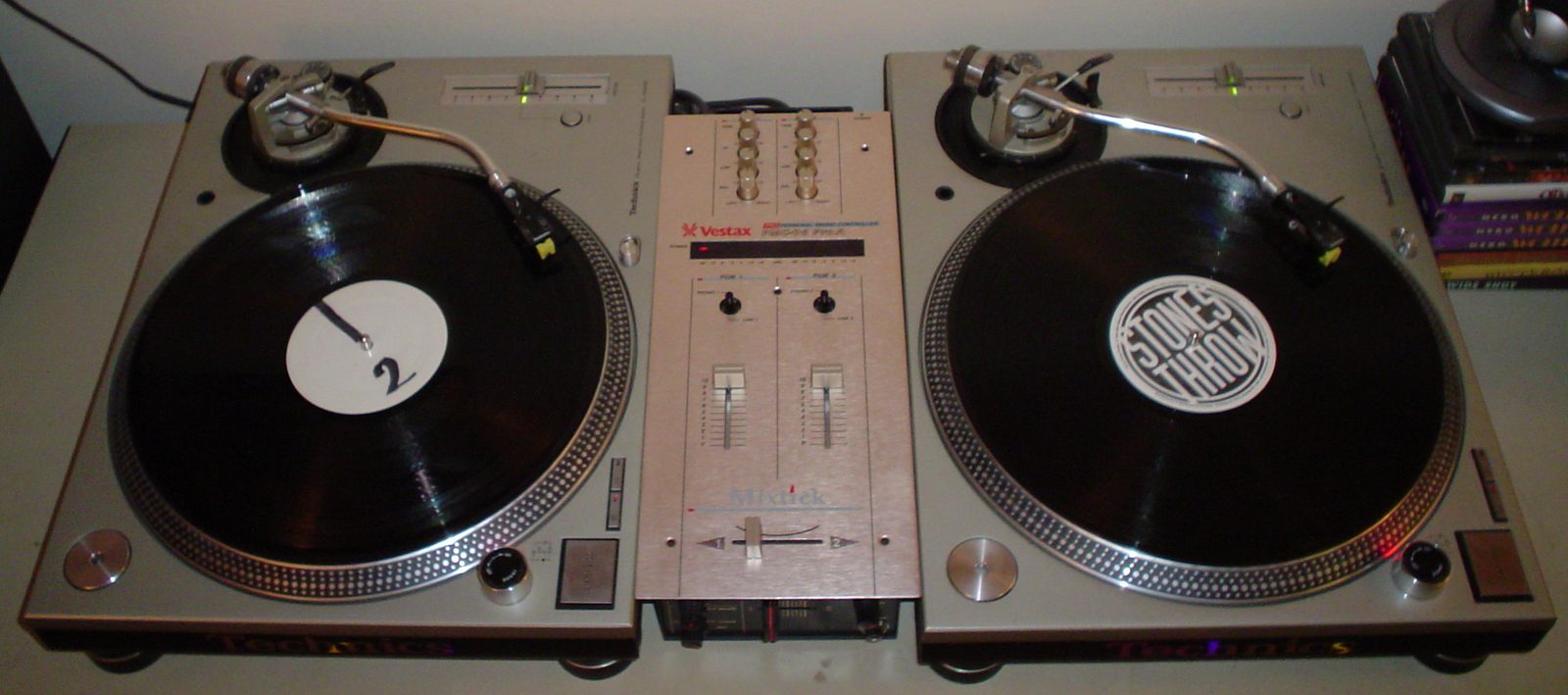
Mutations (2001)
- Progressive House
- Progressive
An hour and six minutes of 2001 progressive from a long-serving Renaissance resident — Ian Ossia's own surviving mix, shared years later on his own Mixcloud rather than released as an album.
Archive
Classic DJ sets, radio shows and mix CDs from the 1990s and early 2000s — with progressive house at the centre and the right kind of trance around the edges.
This is the main digging room. Start with the mix CD that lived in your car for a year, then follow it into the ones you missed the first time round. Some entries are obvious, some are the sort of thing you suddenly remember at one in the morning, but nothing is here for the sake of a complete catalogue — every mix is here because it's still worth an hour of your evening.
Not sure where to start? Hit the Classic Chart for the current Top 10, or browse the DJ Profiles if you want to follow Sasha, Digweed, Oakenfold, Nick Warren and the rest through the archive.
An hour and six minutes of 2001 progressive from a long-serving Renaissance resident — Ian Ossia's own surviving mix, shared years later on his own Mixcloud rather than released as an album.
Renaissance's 1998 two-disc resident showcase: Ian Ossia's broader, vocal-leaning CD1 and Nigel Dawson's darker, trance-facing CD2, with both discs playable here.
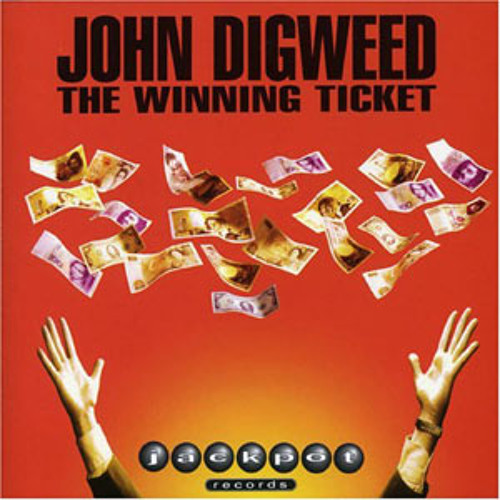
A forgotten 1997 John Digweed curveball: 75 minutes of Jackpot Records at its best, moving from Blue Amazon and Chakra into the darker, rolling progressive sound Digweed was making his own.
A one-hour Max Graham guest set for John Digweed’s Kiss 100 show — dark, punchy 2002 progressive music from the point where Graham’s own productions and DJ identity were properly converging.
Three hours of Nick Warren on German radio in October 2000 — the long-build Global Underground instinct given enough room to move through deep house, progressive breaks and trance without rushing the joins.
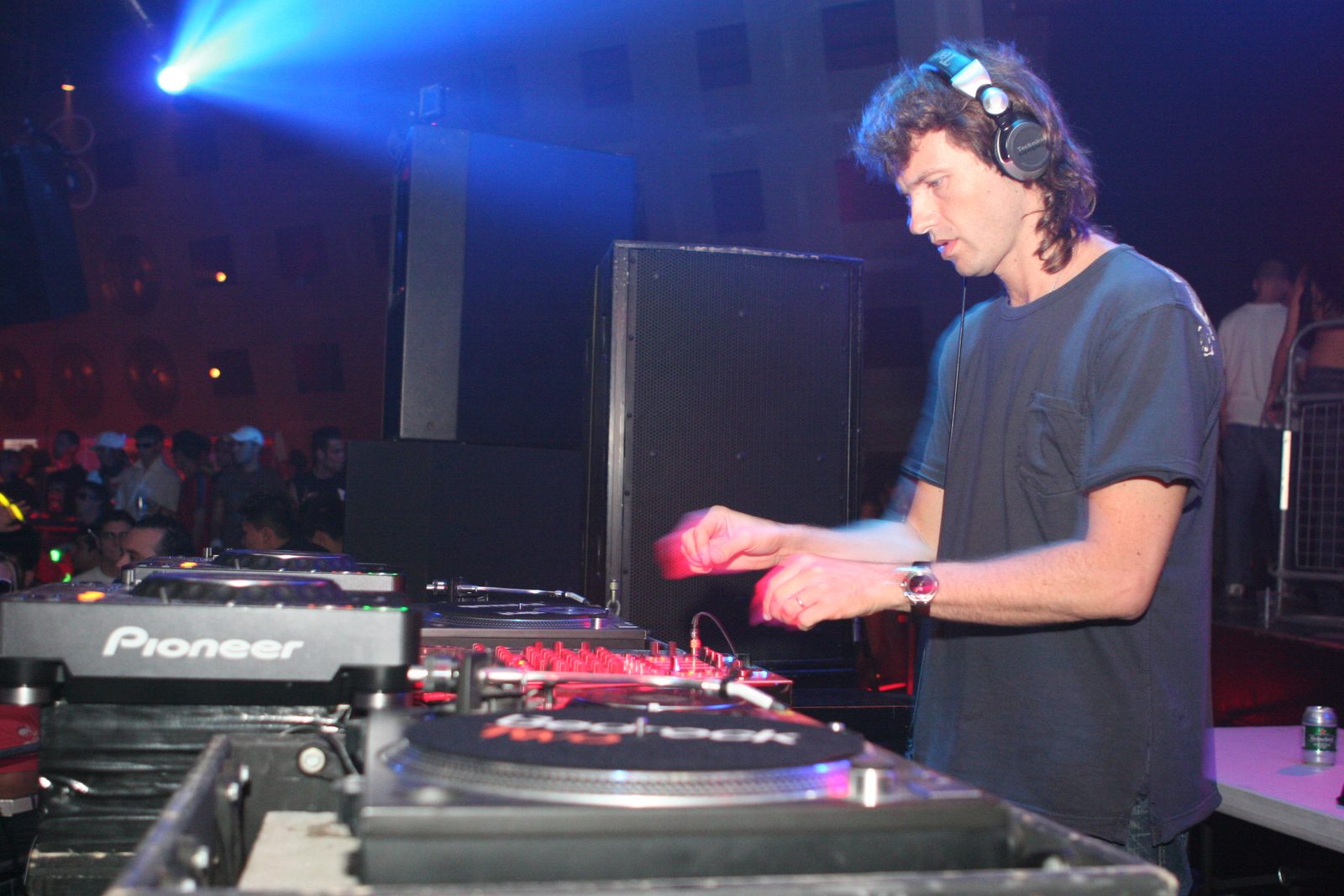
Hernán Cattáneo’s July 2003 guest hour for John Digweed’s Kiss 100 show — a concise radio snapshot from the period when his South American progressive identity was reaching a much wider audience.
The first volume of Global Underground's Nubreed offshoot, and a properly dark, controlled piece of turn-of-the-millennium progressive programming. Two discs in, it's obvious why the series started with Pappa.
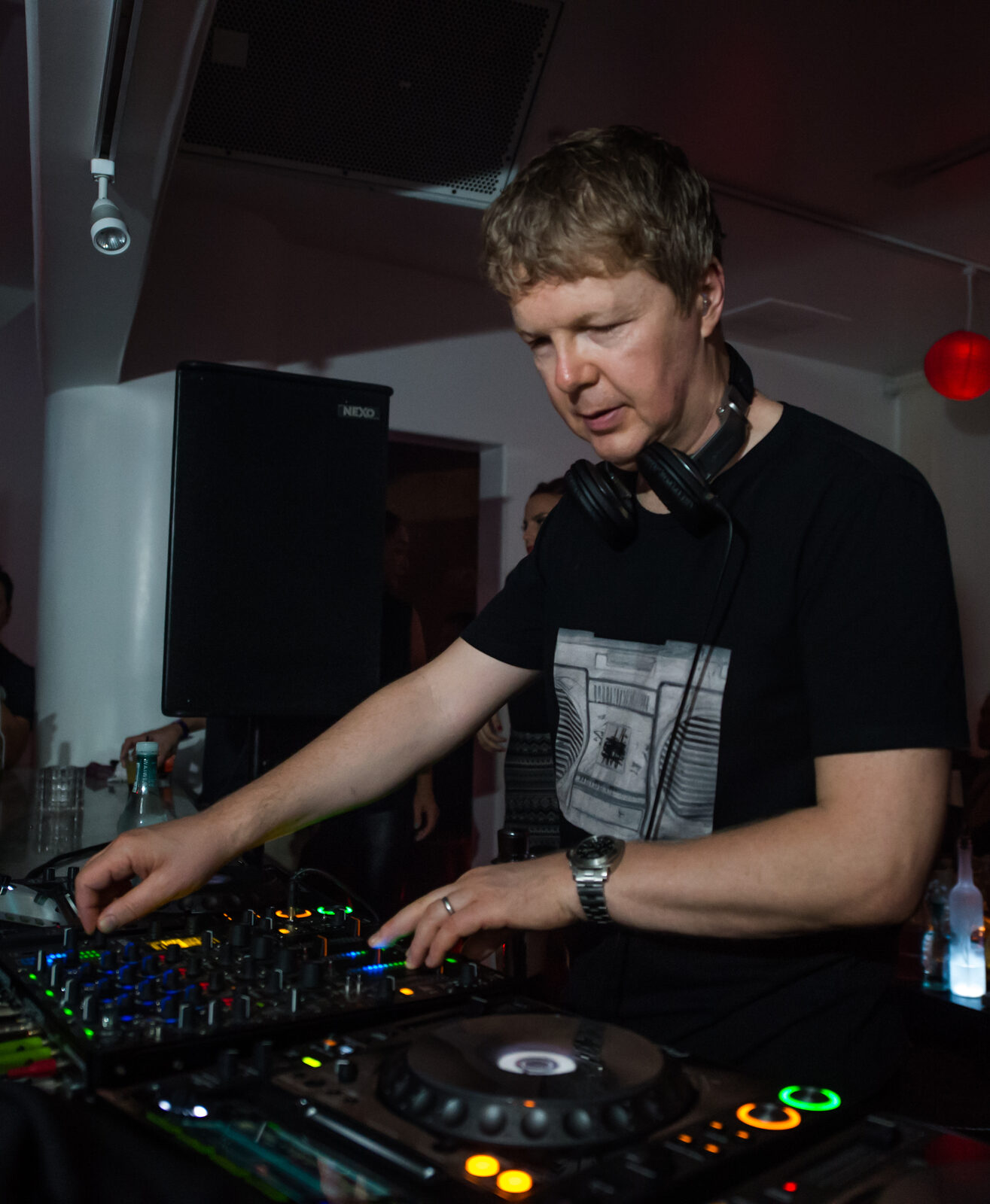
If your memory of John Digweed starts with him standing next to Sasha, Sydney CD1 is where his solo identity becomes impossible to miss — deep, percussive and patient before Albion finally lets the light in.
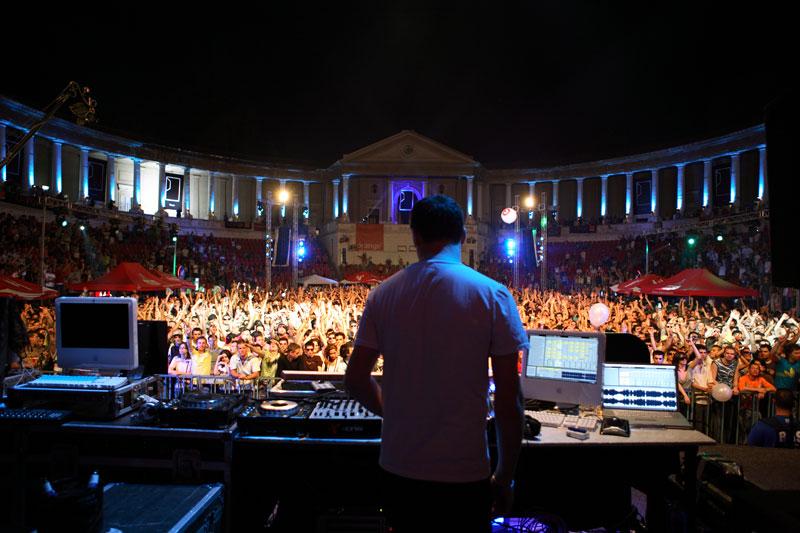
Dig this out if you only remember Sasha for the huge trance years — CD1 of 1998’s Global Underground 009: San Francisco is him still deep in progressive house, with the brighter pull only just starting to show.
Not one for the greatest-hits pile — Oslo CD2 is Oakenfold’s 1997 record box still all over the shop, with Bedrock, Taucher and Goa trance pulling him towards the sound he’d become famous for.
Put this on when you fancy remembering that peak-era Oakenfold could still build a set properly — huge Homelands trance records in 1999, but paced with enough patience that the peaks actually land.
Skip the obvious Seaman picks and go here instead — Cape Town CD2 is his darker 2000 side, Quivver, Planisphere, Bedrock, Way Out West and James Holden, built without a single cheap peak.
This is Seaman at his most controlled — Buenos Aires CD2 pushes into darker progressive trance, Planisphere, Christian West and Origin stretching the pressure out rather than chasing a cheap peak.
Proof Nick Warren’s old patience survived the 2005 production shift — Shanghai CD2 is breaks, acid, Kosmas Epsilon and a warmer melodic finish, still built his way.
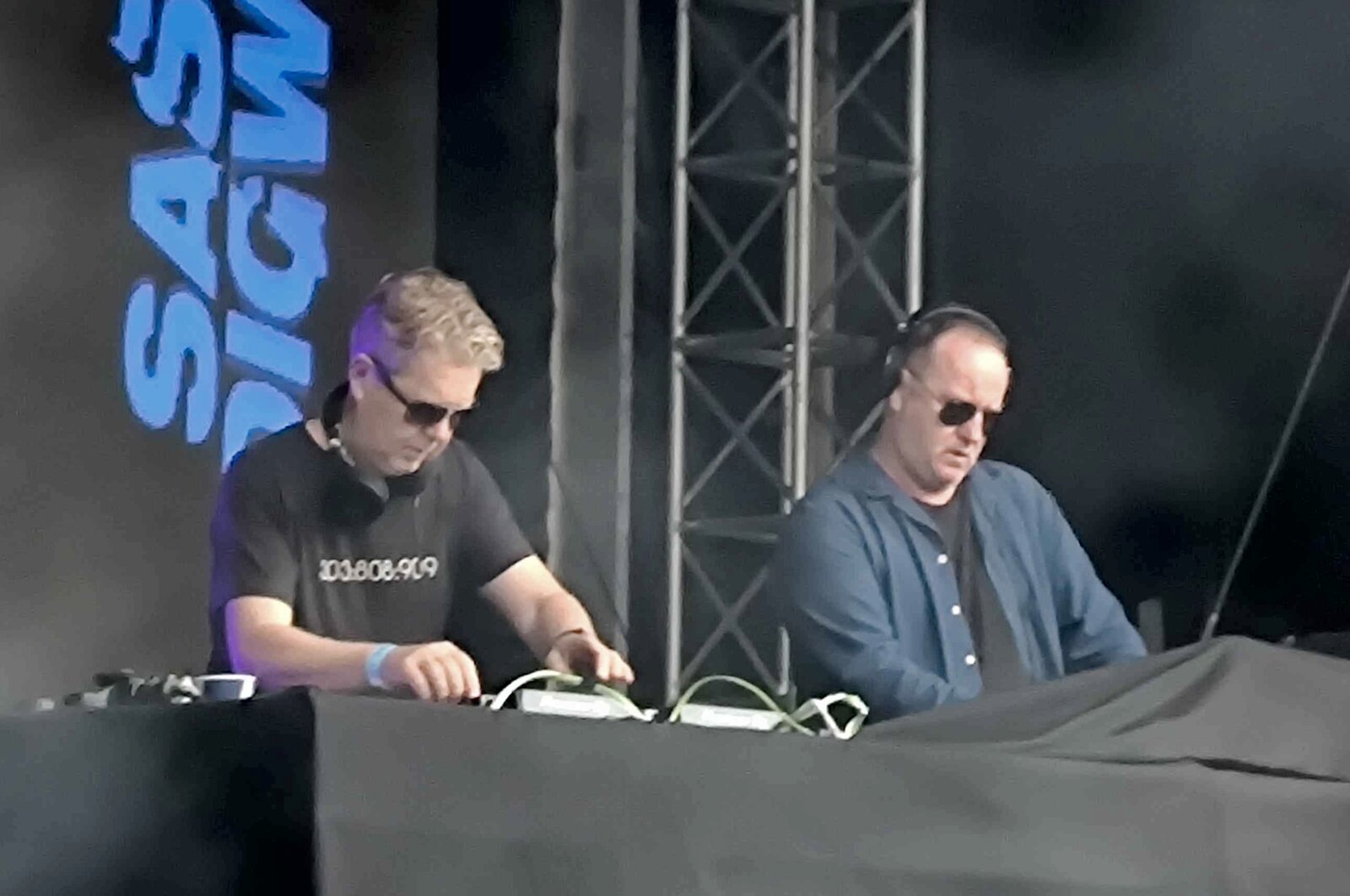
Don’t expect Northern Exposure’s widescreen mood here — Communicate finds Sasha & Digweed in 2000 gone darker and tighter, all percussion and club-focused pressure.
Go back before the mythology set in — this January 1994 Radio 1 set catches Sasha with house still front and centre, progressive records creeping in and that patience already fully formed.
Stick this on and you’ll remember exactly why the mix CD stopped being a novelty — thirty-odd years later, this Sasha & Digweed Renaissance disc still flows properly.
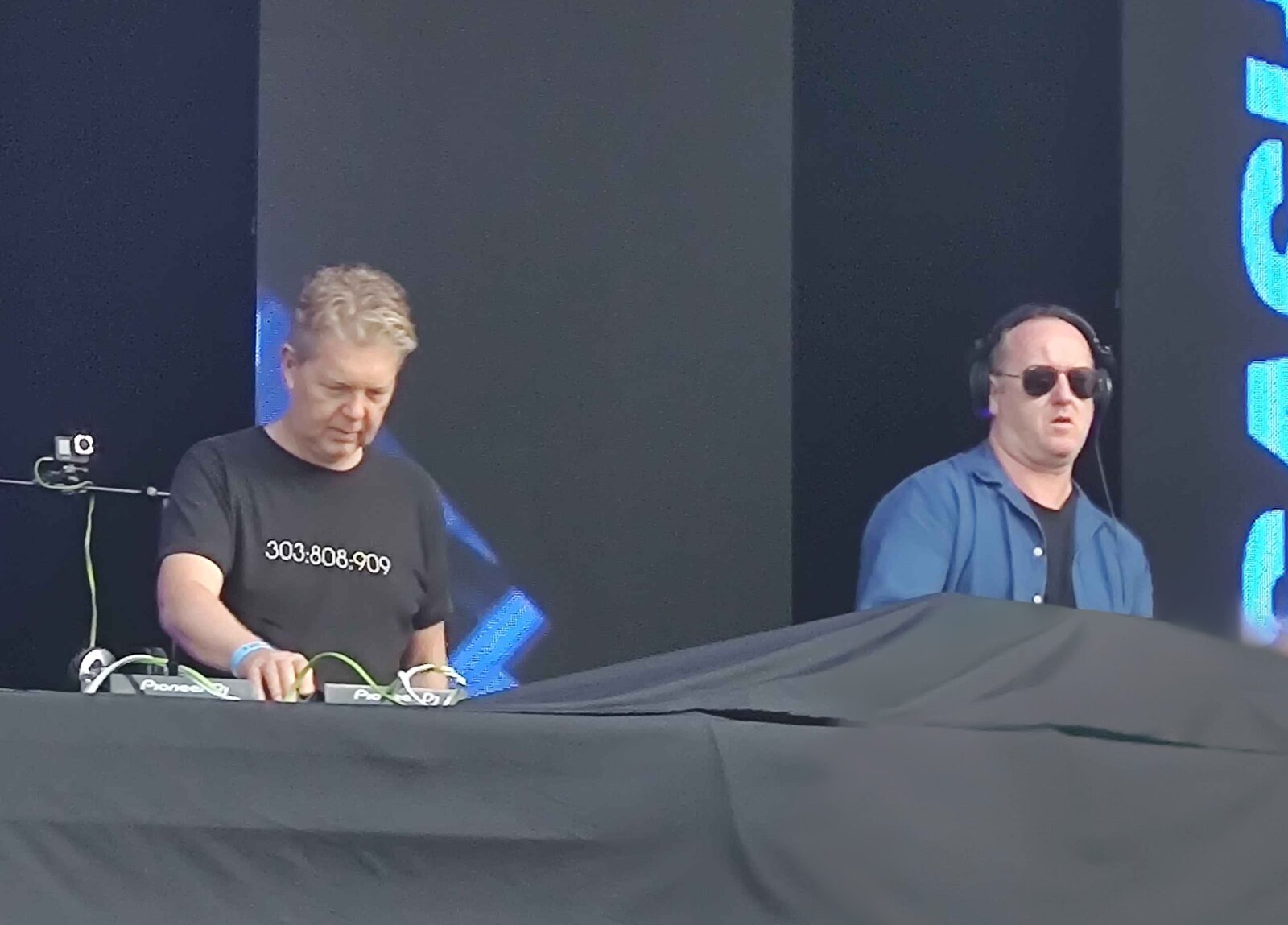
Forget trying to recreate a club night at home — this is Sasha & John Digweed building something colder, stranger and far more atmospheric instead, and it still gets under your skin.
The sequel that had every right to disappoint but doesn’t — Northern Exposure 2 tightens the widescreen idea into more breaks, more progressive trance and sharper edits, Sasha & Digweed clearly sounding built for bigger rooms now.
Don’t skip about looking for the famous bits — Oakenfold’s 1994 Goa Mix is two hours of trance, ambience and film-score drama that only makes sense once you let the whole thing unfold.
This is Warren before the Global Underground name meant anything — 1995, deep and rolling progressive house with absolutely no interest in rushing the payoff.
Four years on from his first Essential Mix and Warren’s still refusing to rush — October 1999 brings bigger drums, brighter melody and the Global Underground years in full view.
A reminder progressive house used to sound like house — January 1996, Dave Seaman with Brothers in Rhythm polish and Blue Amazon pressure, before everything got obsessed with being enormous.
Forget the neat progressive-house origin story — episode four of the Essential Mix has Danny Rampling still carrying acid-house warmth into two hours of proper house records.
Not polished, and better for it — Danny Rampling live at Amnesia in July 1996, sweatier and rougher than any studio mix because you can actually hear Ibiza pushing back.
Two DJs with completely different instincts sharing one Glasgow night — Pete Tong and Sasha at The Arches in 1995, and it's all the better for not pretending otherwise.
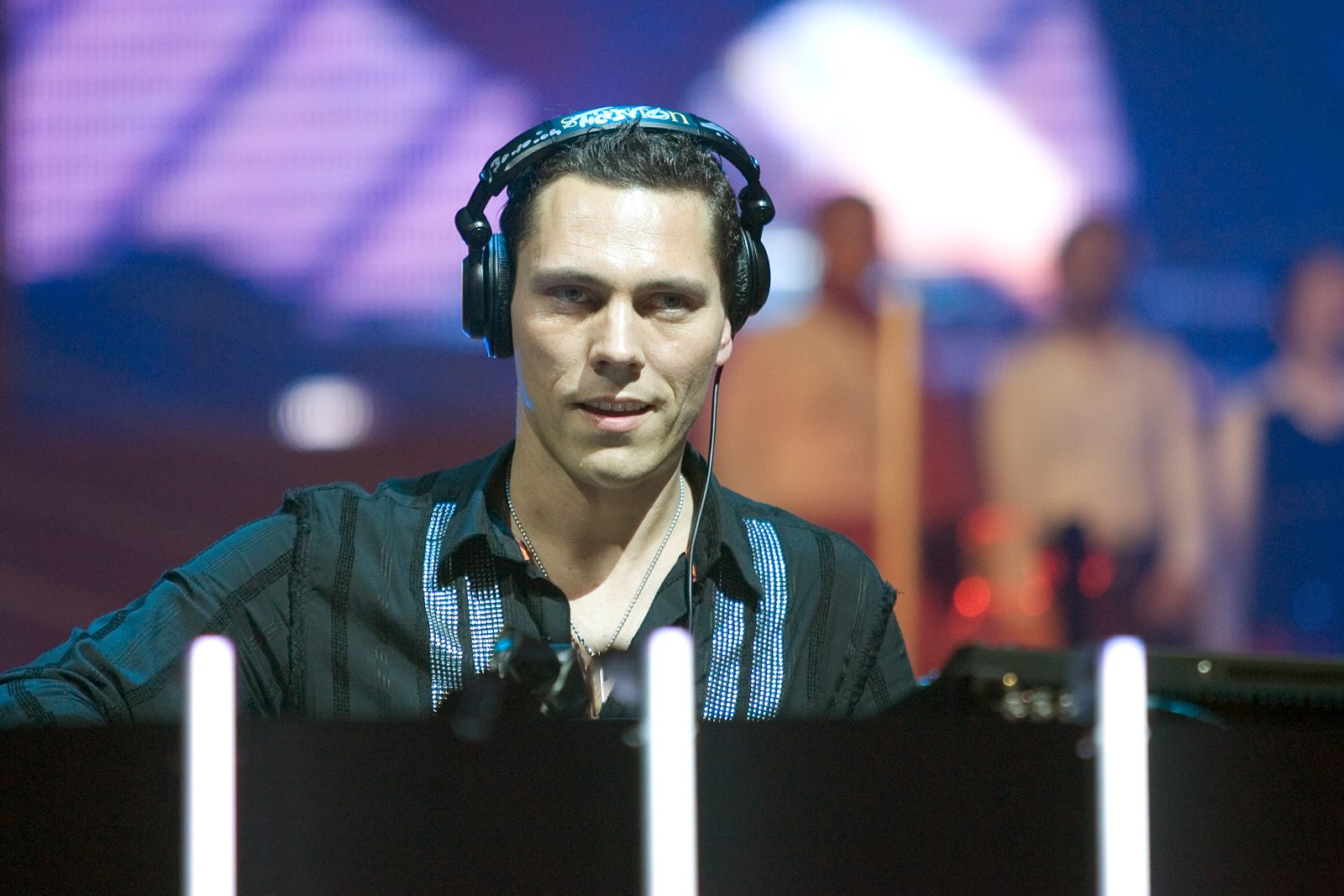
Way before the arenas — Magik One is Tiësto in 1997, long intros, melancholy edges and none of the superstar machinery that came later.
This is where the Tiësto everyone remembers starts taking shape — Magik Six in 2000, progressive trance, Delerium, Armin, Airwave and a home crowd, minus the later arena bombast.
Four DJs, one Birmingham night, zero interest in agreeing on a genre — Oakenfold, Tong, Sasha and a short Danny Rampling finish at the Que Club in 1995.
Enjoying The Mix Archive? Buy me a £4 coffee to help support the time spent finding, checking and writing up classic progressive house and trance mixes, tracks and features.