Chris Fortier: Fade, the Balance Record Pool and the American Progressive Underground
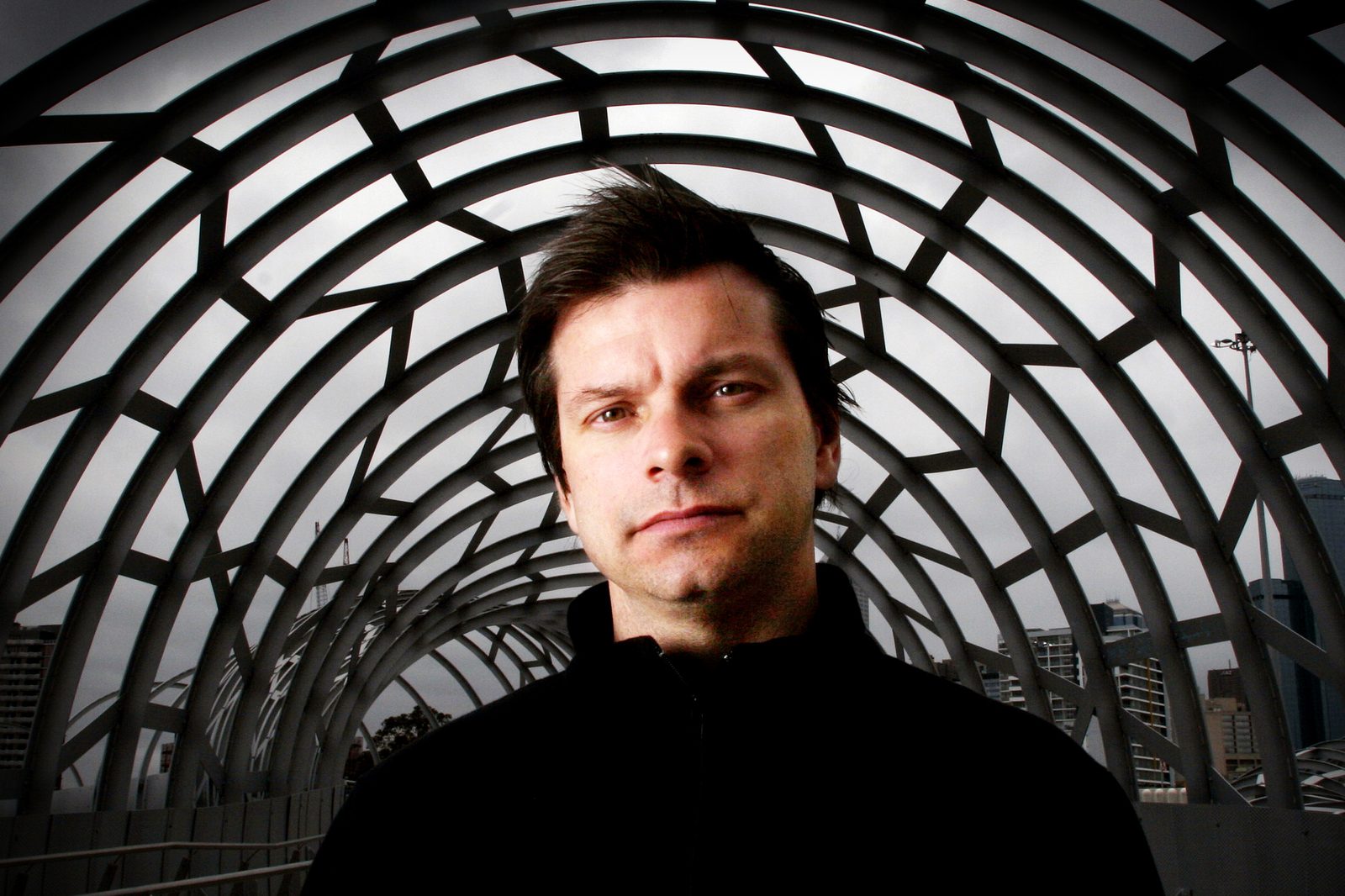
Chris Fortier is the sort of figure a British-centred history of progressive house tends to under-record. No Renaissance residency, no Radio 1 slot, no city-branded Global Underground. What he had instead was a Florida club scene, a label, a record pool that put underground records into North American DJs’ hands, and a habit of moving on before anyone could pin a genre on him.
Florida first
Fortier came up in Florida’s house and club scene and started DJing around 1990, which puts him in the same generation as the British DJs this Archive spends most of its time on — he just wasn’t in the same country.
That geography shaped everything. There was no Mixmag deciding what the scene was called, no national radio show acting as a filter, and a much larger distance between cities. American progressive house developed through regional scenes and record pools rather than through a weekly press cycle.
Fade
Working with Neil Kolo as Fade, Fortier co-founded Fade Records, and the pair’s remix work is where most people encountered him first.
The Fade Sanctuary Mix of Delerium featuring Sarah McLachlan’s “Silence” was an early influential remix and remains the obvious entry point. It’s important to keep the record straight here: that is a different remix from the much better-known later Tiësto version, and the two shouldn’t be confused. Fortier’s take is the earlier, deeper, more patient one.
Fade Records mattered for a duller but more useful reason. Running a label meant controlling what got released and how it circulated, at a time when American progressive producers had limited routes into the British shops where the scene’s attention was concentrated.
The Balance Record Pool
The Balance Record Pool is the least glamorous item on his CV and possibly the most consequential.
Record pools distributed promos to working DJs. In practice that meant a mechanism for getting underground records into the hands of people who would actually play them, across a country far too big for word of mouth to cover.
It’s infrastructure rather than art, and infrastructure is how scenes actually function. Plenty of records that later turned up in famous mixes travelled through channels like this first.
Trance America and Bedrock
He mixed Trance America around 1999 into 2000 — catalogue sources vary by territory, so it’s better to leave the date approximate than to pretend to a precision that isn’t there.
The bigger one is Bedrock: Compiled and Mixed by Chris Fortier, released in 2002. Being handed a Bedrock mix album is a specific kind of endorsement: John Digweed’s label putting its name on an American DJ’s selection, at a point when Bedrock’s own reputation was near its peak.
The mix itself is deeper and less obviously anthemic than the label’s reputation might suggest, which is characteristic. Fortier’s selections tend to reward attention rather than demand it.
Balance 007
Balance 007 arrived in 2005 as a three-disc set, and it’s the most adventurous thing in his catalogue.
Three discs is an unusual amount of rope for a mix series to hand over, and he used it to spread out rather than to repeat himself — the sort of release that makes far more sense as a body of work than as a source of individual tracks.
The later artist album As Long as the Moment Exists followed in 2007, which is a different discipline again: writing rather than selecting.
Resisting the label
Fortier has repeatedly resisted being reduced to one genre, and the catalogue supports him.
The movement across his career runs from progressive house into deeper and techier territory, but it happened gradually and he never made a public break with house music. Describing it as an abandonment would be wrong; it’s closer to a slow drift that a lot of the scene’s better DJs made at their own pace.
That’s also why he never got a tidy narrative. Careers that keep moving are harder to summarise than careers built on one famous release.
Why he belongs here
Because the American side of this story is frequently reduced to a handful of names and a vague sense that progressive house was something Britain exported.
Fortier is a good corrective: a DJ, remixer, label owner and distributor working the whole time, whose importance is spread across four or five unglamorous activities rather than concentrated in one moment anybody put on a magazine cover.
Signature sound
Deep, patient progressive house that rewards attention rather than demanding it
A gradual drift towards techier and deeper territory without abandoning house
Remix work built on space and restraint — see the Fade Sanctuary Mix of “Silence”
Long-form selections that make sense as a body of work rather than a track list
Where to start
Bedrock: Compiled and Mixed by Chris Fortier (2002) — the clearest single statement
Balance 007 (2005) — three discs, and the most adventurous thing he made
The Fade Sanctuary Mix of Delerium’s “Silence” — the early remix, not the later Tiësto one
Possible future archive additions
Atmospherics
Recommendation only — an early mixed release, not yet in the Archive.
Trance America
Release dates vary by territory; worth hearing for the American view of the period.
Bedrock: Compiled and Mixed by Chris Fortier
Digweed’s label handing the mix to an American DJ.
Balance 007
Three discs, and the most adventurous entry in his catalogue.
Key facts
- From
- Florida
- Started DJing
- Around 1990
- Fade
- Production duo with Neil Kolo; co-founded Fade Records
- Key remix
- Fade Sanctuary Mix of Delerium feat. Sarah McLachlan — “Silence” (not the later Tiësto version)
- Balance Record Pool
- Founded it; circulated underground records among North American DJs
- Trance America
- Mixed around 1999–2000
- 2002
- Bedrock: Compiled and Mixed by Chris Fortier
- 2005
- Balance 007 — a three-disc set
- 2007
- Artist album As Long as the Moment Exists
Related archive listening
Sandra Collins
The other side of the American progressive story, from the trance end.
Progressive house, trance and America in the 1990s
How the sound travelled, and what it turned into once it landed.
John Digweed
Bedrock’s founder, and the label that handed Fortier a mix album in 2002.
What is progressive house?
The definition Fortier spent a career quietly ignoring.
The Archive
Everything currently catalogued.
Join the conversation
Discuss classic progressive house and trance, share memories and discover more mixes with The Mix Archive community.
Visit the Facebook group (opens in a new tab)