Danny Howells: Bedrock, Nubreed and the Art of Not Playing the Obvious Record
If Danny Howells rings a bell but you can’t immediately attach him to one sacred mix CD, that’s almost part of the appeal. He was there for Bedrock. He played Renaissance, Ministry of Sound and Twilo. He made the Nocturnal Frequencies mixes, landed Nubreed 002, produced as Science Department with Dick Trevor and spent years being described as progressive house while cheerfully playing records that didn’t behave themselves. And unlike plenty of DJs from this period, he never seemed particularly interested in turning himself into a monument. That makes him very bloody useful for The Mix Archive.
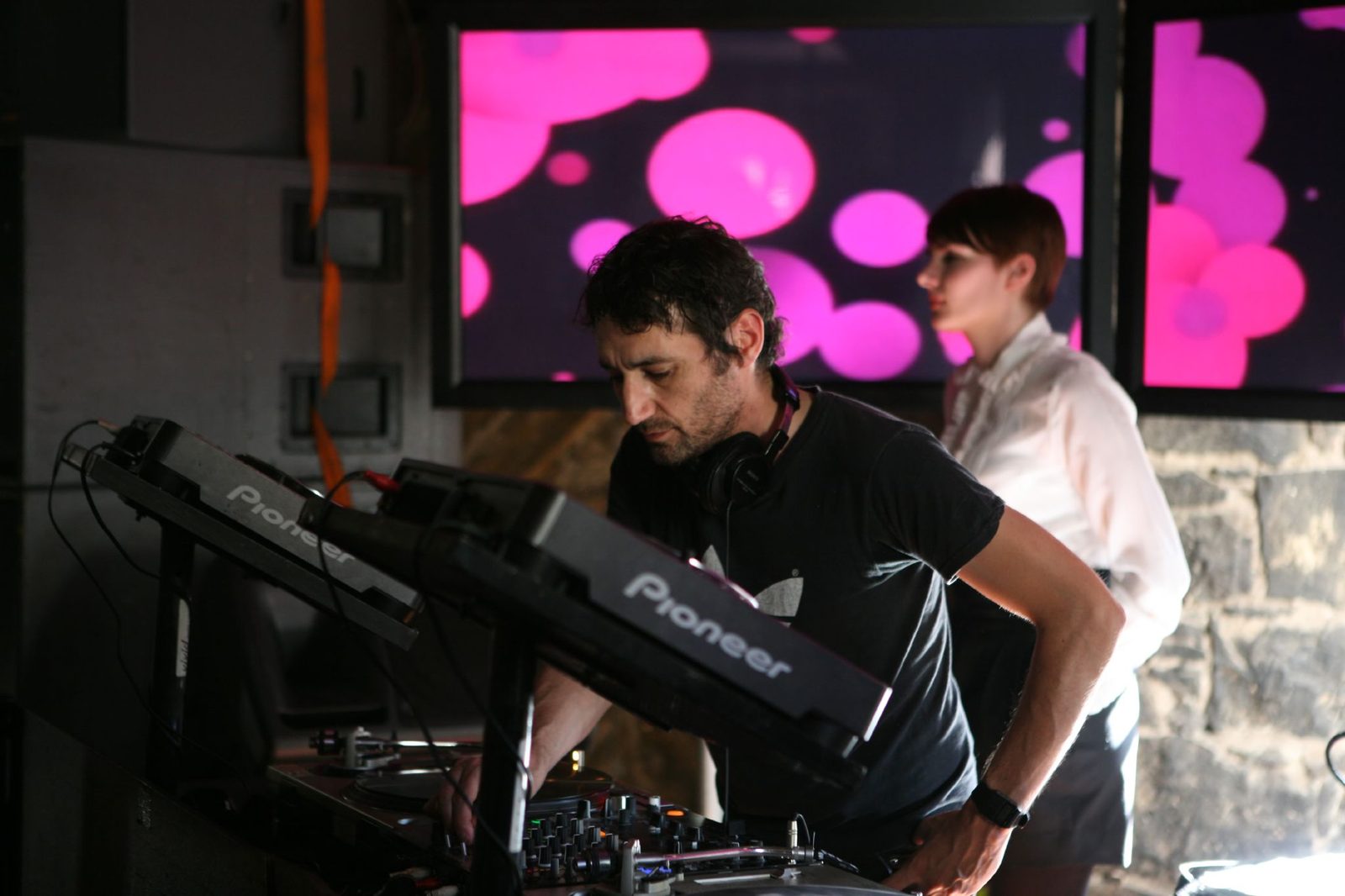
Hastings, a mixtape and about nine years of learning how not to ruin somebody else’s night
Howells came out of Hastings, the same south-coast town associated with John Digweed’s early career. In the early 1990s, one of Howells’ tapes reached Digweed, who brought him into the Bedrock parties. What followed was less instant superstar breakthrough and more extremely long apprenticeship: Howells spent years warming up for Digweed as Bedrock developed from its earlier parties into the London Heaven era.
That warm-up role tells you more about Howells than a DJ ranking ever could. Opening properly is a different job from turning up at 1am and smashing the room with your five largest records. You need to know what not to play. You need to understand energy without spending it. And you need enough confidence to let a record remain understated when somebody else might be panicking that nothing enormous has happened for eight minutes. Howells learned that for years. You can hear it later.
The funny thing about calling him progressive house is how much other stuff keeps getting in
Howells is routinely placed inside progressive house, and that makes sense historically. It also isn’t especially helpful if you take it too literally.
His better sets have funk in them. Deep house turns up. Techier records appear. Something strange can sit next to something surprisingly accessible without the mix suddenly feeling like somebody knocked over the record box.
That is one of the reasons he belongs here. The Mix Archive isn’t interested in pretending progressive house was one endless shelf of dark twelve-minute records. At its best, the scene had people like Howells moving through the cracks.
Nocturnal Frequencies is where the personality really starts showing
The Nocturnal Frequencies series began in 1999 and gave Howells room to programme mixes that were less about demonstrating membership of one scene and more about showing what actually worked together. By the second volume in 2000, the breadth was becoming the point.
That title suits him. Howells is a night-time DJ in the best sense: not necessarily dark, but comfortable with the weird middle hours when the obvious rules have started loosening.
The mixes can be deep without becoming miserable. They can get funky without turning lightweight. And they rarely feel as though the next track has been chosen because somebody needed another famous name on the sleeve.
That looseness ages well. A rigid genre statement can become a museum piece. A really good record played at exactly the right moment usually doesn’t care what year it is.
Nubreed 002 pushed him out from behind Digweed’s shadow
Global Underground: Nubreed 002 arrived in 2000 and became one of the records that properly moved Howells onto the international stage. The first disc runs through 16B, Echomen, The Beloved and deeper progressive material before ending with Science Department’s Breathe; CD2 pushes further through Saeed & Palash, Lexicon Avenue, Luke Slater, Ashtrax and Bushwacka!.
Calling that simply progressive house is doing quite a lot of work. Which is exactly why I like it.
There is enough groove to stop the thing disappearing into chin-stroking darkness, enough progressive structure to keep it coherent, and enough oddness to prevent it becoming another turn-of-the-millennium compilation where every record sounds like it came from the same production template.
More importantly, Howells finally sounds like Danny Howells, not “the bloke who warms up for Digweed”. That distinction matters.
Science Department proved he wasn’t just arranging other people’s records
Howells also worked with Dick Trevor as Science Department, producing tracks including Persuasion, Repercussion and Breathe.
Breathe, featuring Erire, became especially closely associated with the pair and later appeared in several mixes, including Howells’ own Nubreed set.
It fits his DJ personality unusually well. Long. Deep. Vocal without turning syrupy. Plenty happening underneath without the arrangement constantly jumping up and down asking whether you noticed.
That is basically Howells’ best DJing in production form.
Bedrock eventually had to stop being home
The interesting thing about Howells’ relationship with Bedrock is that he eventually left it. By 2000 he had spent so long inside that ecosystem that remaining there risked defining him permanently through somebody else’s club. He later took on other major residencies, including Renaissance, Ministry of Sound and Twilo in New York.
That move makes sense when you hear the records. Howells is too restless to be useful as a permanent Bedrock sound representative.
He can go darker, but he doesn’t worship darkness. He can play melodic music without automatically becoming trance. He can throw something funky into a serious progressive set and somehow make the supposedly serious records sound better afterwards.
There is a confidence in that which comes from knowing the room rather than knowing the genre rules.
Why Danny Howells belongs in The Mix Archive
Progressive-house history has a habit of narrowing itself around a few enormous names. Sasha. Digweed. Oakenfold. Nick Warren. Dave Seaman. All deservedly important.
But follow only those names and you start imagining the scene was much tidier than it actually was. Howells gives us another route through it.
Bedrock connects him to Digweed and the long-game progressive tradition. Nocturnal Frequencies shows how broad the record box could become. Nubreed catches progressive house around 2000 while it is getting funkier, techier and harder to define. Science Department shows the producer behind the selector.
And the best Howells sets contain something the genre occasionally forgot when everybody became terribly serious: fun.
Not cheesy fun. Not “play the obvious anthem and wave your arms about” fun. The much better kind. The DJ sounds as though he actually fucking likes records.
That should never have been unusual.
Signature sound
Progressive house with a lot more funk and personality than the stereotype suggests.
Long blends and patient warm-up instincts learned through years around Bedrock.
Comfortable moving into deep house, techier material and stranger records without breaking the set.
Melody when useful, darkness when useful, and very little interest in treating either as a permanent identity.
Programming that feels serious without taking itself painfully seriously.
Where to start
Nubreed 002 CD1 — 2000. Start here for the breakthrough version: Echomen, The Beloved, Peace Division-related grooves, Subtech and Science Department slowly tightening into one very Howells hour.
Nocturnal Frequencies 2 CD1 — 2000. Then hear the broader club personality without the Nubreed branding around it.
Science Department — Breathe. Finish with the production side. Long, deep progressive house that explains why Howells’ records and DJ sets feel related without being identical.
Possible future archive additions
Global Underground: Nubreed 002 (CD1)
Recommendation only — there is no Archive entry for this release yet.
Nocturnal Frequencies 2 (CD1)
Recommendation only — no Archive entry yet.
Breathe
Future only. Track-level entries aren’t currently part of the Archive, so this is listed purely as a recommendation.
Key facts
- Origin
- Hastings, England
- Born
- 24 November 1970
- Bedrock connection
- John Digweed heard a Howells mixtape in 1991; Howells became a long-running Bedrock warm-up DJ
- Production partnership
- Science Department with Dick Trevor
- Key mix series
- Nocturnal Frequencies
- Nubreed
- Global Underground Nubreed 002, 2000
- Later label
- Dig Deeper
Related archive listening
John Digweed
The Bedrock connection and the long-game progressive tradition Howells spent years warming up for.
Why progressive house changed after 2001
The fragmentation that Nubreed-era progressive house was already hinting at — funkier, techier, harder to label.
Communicate (CD1)
The tougher, darker turn-of-the-millennium Digweed sound Howells was operating alongside.
Classic Tracks Top 10
Individual records from the same era, including plenty that turned up in sets like his.
Join the conversation
Discuss classic progressive house and trance, share memories and discover more mixes with The Mix Archive community.
Visit the Facebook group (opens in a new tab)