Steve Lawler: Dark Drums, Long Residencies and the Low-Slung End of Progressive
Steve Lawler’s route into this story is unusual: no Renaissance apprenticeship, no Radio 1 anointing, no famous mixed CD that turned him into a name overnight. He built a sound out of residencies — long, repeated nights in the same rooms — and it came out darker and more percussive than almost anything else filed under progressive house at the time.
Birmingham, pirate radio and a motorway tunnel
Lawler is a Birmingham DJ, and he got interested the way a lot of that generation did: through pirate radio as a teenager, hearing music that wasn’t available anywhere else and working out that somebody had to be putting it on.
In the early 1990s he was organising parties in and around an M42 tunnel. It sounds like a detail invented for a press release, and it isn’t — it’s the free-party end of the era, before the scene had been safely rehoused inside licensed superclubs.
It matters because it explains his relationship with rooms. Lawler learned to DJ in situations where nobody had come to see a name on a flyer. You held a crowd by playing well for a long time or you didn’t hold them at all.
Ibiza, 1995 onwards
He played at Café Mambo in Ibiza in 1995, which at that point was a sunset bar rather than an institution, and a Cream residency followed in the later 1990s.
That’s the standard-looking part of the CV. The less standard part is what he did with island work once he had it: rather than treating Ibiza as a summer booking, he built a long-term association with Space, and the “King of Space” nickname stuck to him for years.
It’s worth calling that what it was — a nickname, not a title anybody awarded. But nicknames like that don’t attach to DJs who turn up twice. They attach to residents.
Dark Drums
Dark Drums appeared in 2000, and the name is a fairly exact description of the sound.
This is progressive music with the melody largely stripped out and the percussion pushed forward: tribal rhythms, deep bass, long tool-like records, and an emphasis on physical pressure rather than emotional payoff. If your reference point for the genre is Northern Exposure, it will sound like a different discipline entirely.
In hindsight it was also a signpost. Plenty of DJs who came out of progressive house spent the early 2000s heading in exactly this direction, towards tribal and tech house, and Lawler got there early and with more conviction than most.
Nubreed 003
Global Underground put him on Nubreed 003 in 2000, the third volume of its series for DJs who hadn’t yet become household names.
It’s worth being straight about this: Nubreed didn’t make Steve Lawler out of nothing. He was already a working club DJ with residencies and a distinct sound. What the series did was put that sound on a shelf in the shops next to Sasha and Digweed, where a lot of people encountered it for the first time.
His volume is the toughest of the early Nubreed run, and it makes the series’ real premise clear. Nubreed wasn’t one style. It was a frame around several DJs pulling progressive house in different directions at the same moment.
Lights Out and Harlem Nights
Lights Out followed in 2002, with further volumes in 2003 and 2005 — a mix series of his own, and the point where the sound had a brand attached rather than just a reputation.
Alongside it he ran Harlem Nights at The End in London through the 2000s, which is the same instinct as Space: a repeated night in a specific room rather than a touring schedule with no fixed address.
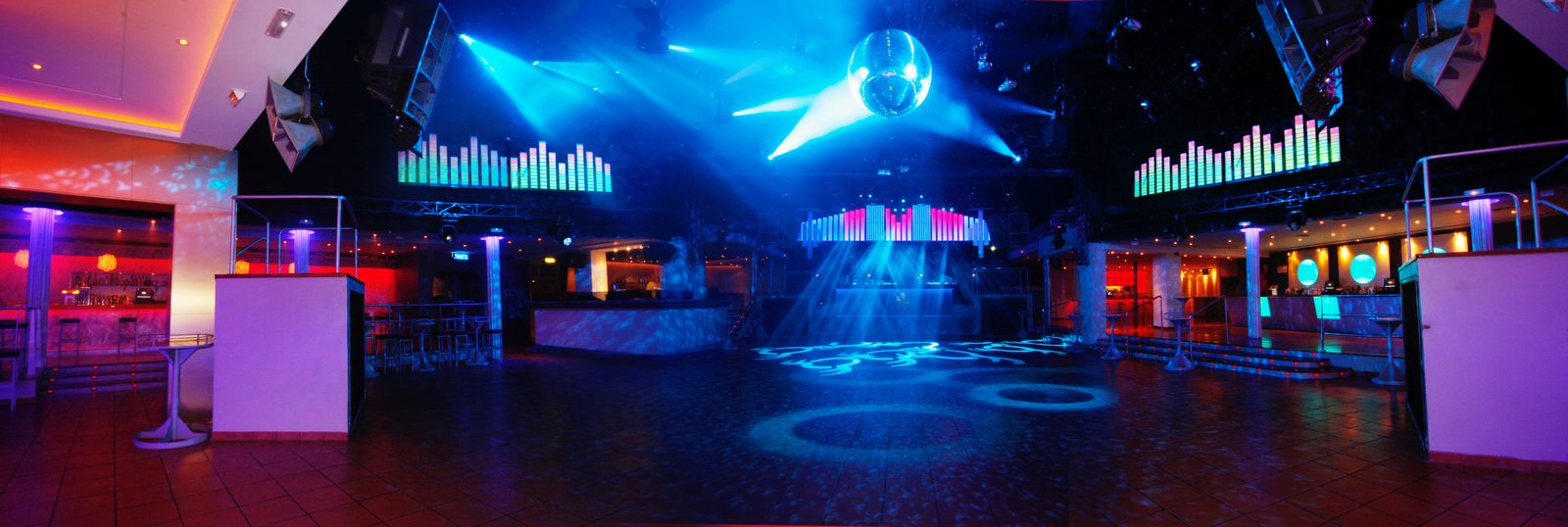
The End was the right venue for it too. A dark basement club with a serious sound system suits low-slung, percussive music far better than a big-room progressive night ever did.
VIVa MUSiC and after
He founded VIVa MUSiC in 2006, which sits outside the era this Archive concentrates on but explains where the story goes: a label built around house and tech house rather than progressive music, and a career that carried on comfortably long after the progressive boom had ended.
That’s a useful counterweight to the standard narrative about 2001 and the genre’s collapse. Some DJs adapted, some retired, and a few — Lawler among them — had already been moving in the direction the scene eventually went.
Why he belongs here
Because the progressive story is usually told through its most melodic and most photographed practitioners, and it loses something as a result.
There was always a darker, drum-led, faintly hostile version of this music, and Lawler is the clearest representative of it. Not everyone will enjoy it. Nobody who cares about the period should ignore it.
Signature sound
Tribal, percussive progressive house with the melody pushed well back
Deep, physical bass and long tool-like records built for a resident’s set
Dark-room programming — pressure and repetition rather than breakdowns
An early move towards the tribal and tech-house territory much of the scene reached later
Where to start
Global Underground: Nubreed 003 (2000) — the toughest of the early Nubreed run
Dark Drums (2000) — the sound with its own name attached
Lights Out (2002) — the series where the approach becomes a brand
Possible future archive additions
Global Underground: Nubreed 003
Recommendation only — no Archive entry exists for it yet.
Dark Drums
The clearest statement of the tribal, percussive approach.
Lights Out
The first volume of his own series; later editions followed in 2003 and 2005.
Key facts
- From
- Birmingham
- Route in
- Pirate radio as a teenager
- Early 1990s
- Organised parties in and around an M42 tunnel
- 1995
- Played Café Mambo, Ibiza
- Later 1990s
- Cream residency
- Ibiza
- Long association with Space; widely nicknamed “King of Space”
- 2000
- Dark Drums, and Global Underground: Nubreed 003
- 2002–2005
- Lights Out, with later volumes in 2003 and 2005
- London
- Ran Harlem Nights at The End through the 2000s
- 2006
- Founded VIVa MUSiC
Related archive listening
Nubreed: the series that looked past the superstars
Where Lawler’s 003 sits in the sequence, and what the series was actually for.
Anthony Pappa
Nubreed 001, and a very different idea of what progressive precision means.
Danny Howells
Nubreed 002 — the funky counterweight to Lawler’s drums.
What is progressive house?
The sound Lawler was busy dragging somewhere darker.
Why progressive house changed after 2001
The shift towards tribal and tech house that he was ahead of.
Global Underground: Nubreed 001 (CD1)
The volume that opened the series Lawler joined third.
Join the conversation
Discuss classic progressive house and trance, share memories and discover more mixes with The Mix Archive community.
Visit the Facebook group (opens in a new tab)