Max Graham: Airtight, Transport 4 and the Progressive Years
Max Graham’s public identity was eventually built by his later trance work, which has the awkward effect of hiding the four or five years when he was one of the more forceful progressive-house DJs around. This profile is mostly about those years.
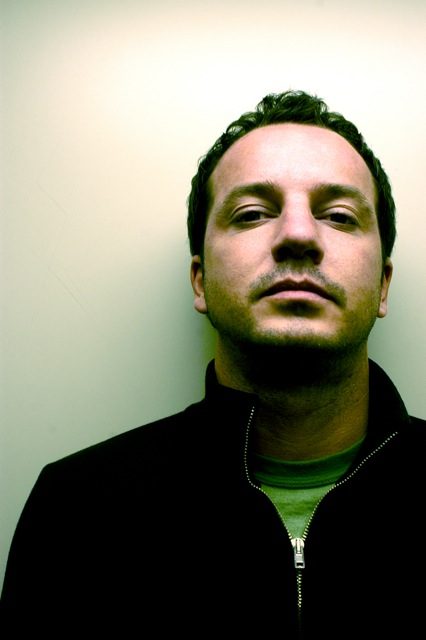
British-born, Canada-based
Graham was born in Britain and based in Canada, which put him outside both of the obvious centres — not part of the London circuit, not part of the American scene either.
He started out in hip-hop, cutting and scratching, before moving into house and then progressive music. That’s a genuinely different apprenticeship from most of the DJs in this Archive, and you can hear it in his mixing: the transitions are tighter and more deliberate than the long, slow blends the British progressive school favoured.
The Canadian circuit
His reputation was built on the Canadian club circuit, including a residency at the Atomic nightclub in Ottawa in the late 1990s.
Residencies in that period, in that country, meant playing long nights to crowds who weren’t coming for a name — much the same education Steve Lawler got in Birmingham, in a completely different setting.
It also meant a certain distance from the genre politics. Nobody in Ottawa was policing whether a record was progressive house or trance, which may explain why Graham moved between the two so easily later on.
“Airtight” and “Yaletown”
Both records appeared in 2000 on Hope Recordings, and “Airtight” travelled a long way — picked up by major DJs and included on compilations, which in 2000 was still the main mechanism by which a producer outside the UK became known inside it.
It’s a good record and an instructive one. Tight, driving, more concerned with momentum than atmosphere, and completely unsentimental. If you want a single track that explains why Graham’s sets feel different from Nick Warren’s, start there.
Transport 4
He mixed Transport 4 in 2001, which put him properly on the international map as a selector rather than a producer.
The context is worth noting: 2001 is the year the progressive boom is usually said to have peaked and started fragmenting. Graham arrives as a mix-CD name at exactly the point when the format is about to get harder, which arguably suits him — his instincts were always closer to the tougher, more percussive end than the melodic one.
The Kiss 100 guest hour
On 12 October 2002 Graham played a guest mix on John Digweed’s Kiss 100 show, and that hour is now in the Archive.
It’s a compact, dark, punchy set, and it’s the best single illustration of where he stood at the time. Not yet the trance figure, no longer just a producer with a good record — a DJ with a clear sound getting one hour of national radio to make his case.
Shine
He developed the Shine concept in the early 2000s and a Shine mix album appeared in 2004, which is roughly where the progressive chapter closes and the next one opens.
The Re*Brand and Cycles years that followed are a genuine part of his career and, for a lot of people, the main part. They belong here as an epilogue rather than the story: this Archive is concerned with 2000 to 2004, and that period stands up perfectly well on its own.
Why he belongs here
Because Graham is the antidote to the idea that progressive house was inherently patient and pretty.
There was always a version of this music that preferred weight, drive and control, and that got remembered less because it made worse compilation sleeve copy. Graham did it well, from the wrong country, in the years just before everybody decided the genre was finished.
Signature sound
Punchy, controlled progressive house with real drive underneath it
Tighter, more deliberate mixing inherited from a hip-hop apprenticeship
A comfortable relationship with breaks and tougher, techier records
Momentum over atmosphere — very little interest in slow-burn drift
Where to start
The 2002 Kiss 100 guest mix — one hour, and the clearest snapshot of the period
“Airtight” (2000) — the record that travelled
Transport 4 (2001) — the mix album that made him an international name
In The Mix Archive
Transitions Guest Mix on Kiss 100
One hour for John Digweed’s Kiss 100 show: dark, punchy 2002 progressive music, including an early version of his own “Crank”.
Possible future archive additions
“Airtight” / “Yaletown”
Recommendation only — both released on Hope Recordings.
Transport 4
The mix album that moved him beyond the Canadian circuit.
Shine
Where the progressive chapter closes and the next one begins.
Key facts
- Born / based
- British-born, Canada-based
- Route in
- Hip-hop cut-and-scratch DJing before house and progressive
- Late 1990s
- Residency at Atomic nightclub, Ottawa
- 2000
- “Airtight” and “Yaletown” on Hope Recordings
- 2001
- Mixed Transport 4
- 12 October 2002
- Guest mix on John Digweed’s Kiss 100 show
- 2004
- Shine mix album, from the concept developed earlier in the decade
- After
- Re*Brand and the Cycles years — an epilogue to the progressive period
Related archive listening
Transitions Guest Mix on Kiss 100
The set this profile is built around.
Nick Warren
The patient opposite — useful for hearing what Graham does differently.
John Digweed
The Kiss 100 host, and the platform that carried the guest hour.
Why progressive house changed after 2001
The fragmentation Graham’s later career moved through.
HR3 XXL Clubnight
Three hours of the long-build approach, for contrast.
Join the conversation
Discuss classic progressive house and trance, share memories and discover more mixes with The Mix Archive community.
Visit the Facebook group (opens in a new tab)