Article · September 2026
What Is Progressive House? The 1990s Sound Behind Sasha, Digweed and Renaissance
Progressive house is a style of house music that emerged in early-1990s British club culture, built on long arrangements, gradual layering and records designed to develop across a whole DJ set rather than land a hook in the first minute. That’s the short answer. The longer one explains why the term now means two fairly different things.
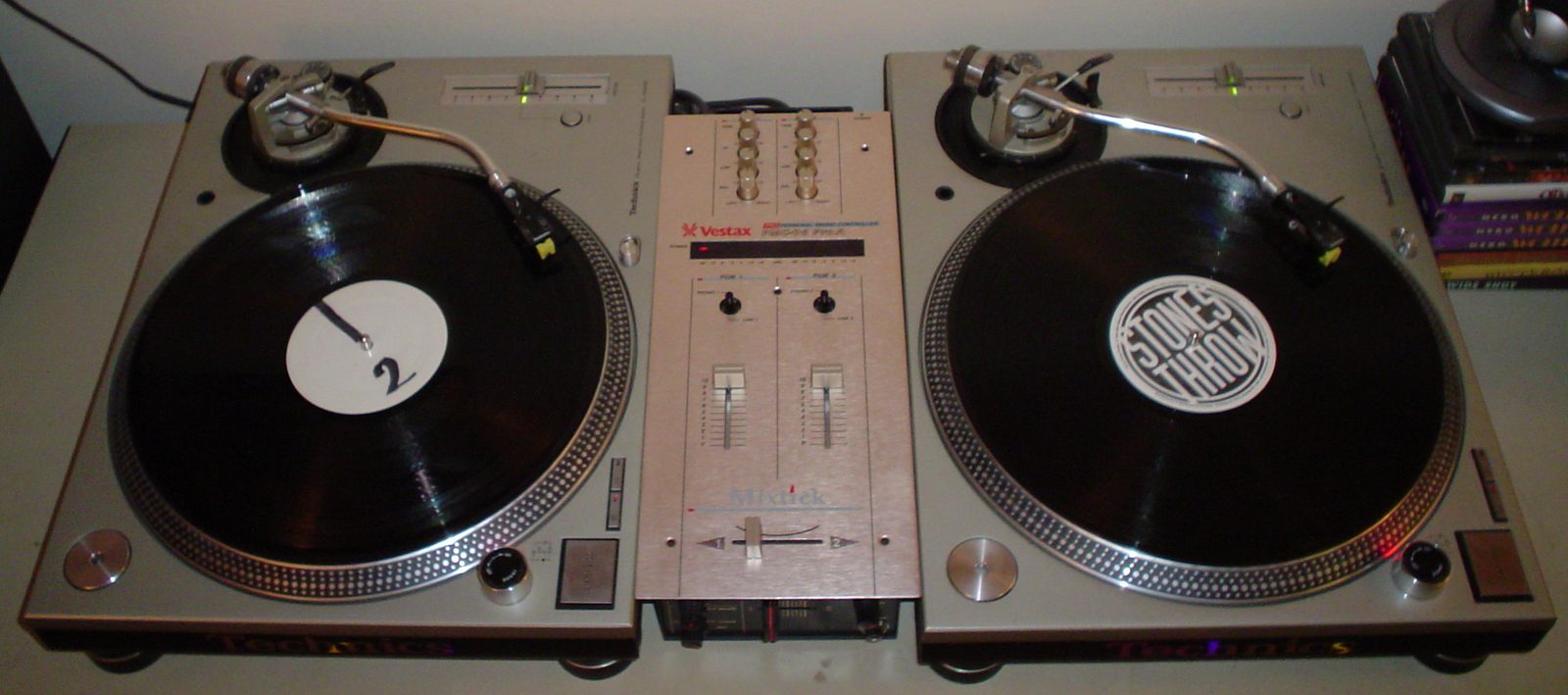
Progressive house is a form of house music that developed in early-1990s British club culture, characterised by longer arrangements, gradual layering, prominent percussion and atmosphere, and a structure built for long DJ programming rather than quick impact.
That’s the definition. Here’s the part that usually gets mangled.
It was never simply “house with a long breakdown”. The word progressive was doing a specific job: it described records that progressed — that moved through stages, changed shape as they ran, and often sounded quite different eight minutes in from where they started. The breakdown was a symptom of that approach, not the point of it.
“The word progressive was doing a specific job: it described records that progressed. The breakdown was a symptom, not the point.”
Where the term came from
The label was applied in print by Dom Phillips in Mixmag in 1992, in an article titled “Trance Mission”, to describe an emerging British sound that didn’t fit neatly into the American house lineage or the harder European material around it.
It’s worth resisting two lazy versions of this story. Phillips didn’t invent the music — the records already existed and the DJs were already playing them. And one magazine article didn’t fix a clean genre boundary; the term was descriptive, contested from the start, and applied loosely for years afterwards.
What the article did was give a scene a handle. That matters more than it sounds. Before you can argue about a genre, somebody has to name it.
The names discussed around that emerging sound included Leftfield, D.O.P., Soundclash Republic, React 2 Rhythm, Gat Decor and Slam — which tells you immediately that this wasn’t one tidy style. Leftfield and Slam were pulling in visibly different directions even then.
What the music actually did differently
If you want to recognise early progressive house by ear rather than by label, listen for structure.
The arrangements are long. Records regularly ran eight, nine, twelve minutes, and they used that time rather than padding it. Elements arrive gradually — a percussion layer, then a bassline change, then a filtered pad — so the track feels like it’s being assembled while you listen.
There’s a strong dub influence in how space is used: reverb, delay, and a willingness to remove elements as well as add them. European electronic music left fingerprints too, particularly in the colder synth textures and the mechanical precision of the drum programming.
Percussion carries a lot of weight. Plenty of these records are grooves first and melodies second, which is precisely why they could sit in a set for ten minutes without exhausting themselves.
And the tension-and-release cycle operates over minutes rather than bars. That’s the trait with the biggest practical consequence: it makes the records genuinely useful to a DJ building a long set, because each one can shift a room’s mood on its own rather than just maintaining momentum until the next big tune.
Sasha, Digweed and Renaissance
The DJs most associated with progressive house didn’t create every ingredient in it. What they did was demonstrate, repeatedly and to a very large audience, what the records were for.
Sasha’s reputation was built on long, patient sets where individual records were allowed to do their work. His 1994 Essential Mix is close to a manifesto: the pacing is the argument.
John Digweed brought a darker, more percussive instinct and an unusual comfort with the middle of a set — the difficult forty minutes where you have to keep moving without resetting the room every few minutes.
Renaissance then packaged the whole approach. Renaissance: The Mix Collection in 1994 treated a mix CD as a body of work with a beginning, middle and end, which changed what people expected a DJ mix to be. Northern Exposure pushed the same idea somewhere colder and stranger.
None of that invented progressive house. All of it explains why the term stuck.
The border with trance was always porous
Anyone trying to draw a firm line between progressive house and trance across the mid and late 1990s is setting themselves up for a long, boring argument.
The two shared record boxes. Progressive house records got brighter and more melodic as the decade went on; trance records borrowed progressive structure and patience. By 1998 to 2000 the useful question wasn’t which genre a record belonged to but whether it worked forty minutes into a set.
Northern Exposure 2 in 1997 is a good place to hear that collision. So is almost any late-90s Global Underground disc, where a track you’d file under trance sits comfortably next to something distinctly darker and more house-led.
The genre labels are useful for understanding history. They’re much less useful for describing what the DJs were actually doing.
Why searching the term now gives you something else
Type “progressive house” into anything today and a fair amount of what comes back will be festival and mainstage material: big-room builds, heavily signposted drops, vocal hooks and arrangements designed to work in three or four minutes.
That music is called progressive house in good faith. It descends, genuinely, from parts of the original sound — the melodic sweep, the breakdown, the sense of scale. What it mostly lost is the thing the name described in the first place: the slow, gradual progression across a long arrangement.
So if you searched the term because you half-remember something deeper and more patient, you weren’t imagining it. You were remembering the earlier version.
How and why that changed is a longer story, and this site has already told it: see why progressive house changed after 2001 for the fragmentation, the commercial pressure and the shift in what clubs wanted.
Progressive house artists and DJs worth knowing
If you want a working list rather than an encyclopaedia: Sasha and John Digweed as the central programming partnership; Nick Warren for patience and melody without cheese; Dave Seaman for the warmer, house-led end; Paul Oakenfold for scale and the trance-facing route out of it; Danny Rampling and the earlier Balearic-house generation for what came immediately before.
On the production side, the early names from the Mixmag era — Leftfield, D.O.P., React 2 Rhythm, Gat Decor, Slam, Soundclash Republic — are where the sound is being worked out in real time.
That’s a starting map, not a canon. Classic progressive house is broad enough that two people can both know it well and share almost no favourite records.
Where to start listening
Danny Rampling — Essential Mix
1993 · House / Balearic
Start slightly before the label hardened. This is the Balearic and house world progressive house grew out of, and hearing it first makes the later change obvious.
Sasha — Essential Mix
1994 · Progressive House
The blueprint on national radio: long blends, patient pacing and records given enough room to change the mood rather than merely fill time.
Sasha & John Digweed — Renaissance: The Mix Collection (CD1)
1994 · Progressive House
Where the mix CD becomes a body of work. If you only listen to one of these, make it this one.
Sasha & John Digweed — Northern Exposure (CD1)
1996 · Progressive House
Colder, stranger and more spacious — proof that progressive house could be patient and properly odd and still work.
John Digweed — Global Underground 006: Sydney (CD1)
1998 · Progressive House
The percussive, groove-led version of the same instinct, and a good demonstration of why a melodic record lands harder when a DJ has withheld melody for an hour.
So what’s the one-line answer?
Progressive house is house music built to develop over time rather than to land immediately — a 1990s British sound defined by long arrangements, layered percussion, dub and European electronic influences, and DJs who programmed sets in hours rather than tracks.
Everything else is argument, and the argument has been running since 1992.
The good news is that the records are still there, most of them are longer than you remember, and almost none of them need you to know which genre divider they belonged behind.
Related listening in The Mix Archive
Why progressive house changed after 2001
The fragmentation and commercial shift that split the term in two.
Global Underground and the sense of place
How the mix CD turned progressive programming into an object worth owning.
Sasha
The patience, in profile form.
John Digweed
The darker, percussive half of the defining partnership.
Nick Warren
Melody and long builds without a single desperate moment.
The Classic Chart
The ten mixes this site keeps coming back to.
Classic Tracks Top 10
Individual records from the same world, with a player on each.
Key facts
- Progressive house emerged in early-1990s UK club culture as house records became longer, more layered and more percussive.
- Dom Phillips used the term in Mixmag’s 1992 “Trance Mission” article to describe the emerging British sound.
- Early names associated with that sound included Leftfield, D.O.P., Soundclash Republic, React 2 Rhythm, Gat Decor and Slam.
- Sasha, John Digweed and Renaissance popularised the approach without inventing every element of it.
- The boundary with trance became increasingly porous through the mid and late 1990s.
- Modern festival “progressive house” shares some melodic DNA but very little of the original long-form structure.
Sources and further reading
Join the conversation
Discuss classic progressive house and trance, share memories and discover more mixes with The Mix Archive community.
Visit the Facebook group (opens in a new tab)