Essential Mix — Live at Que Club
- Progressive House
- Trance
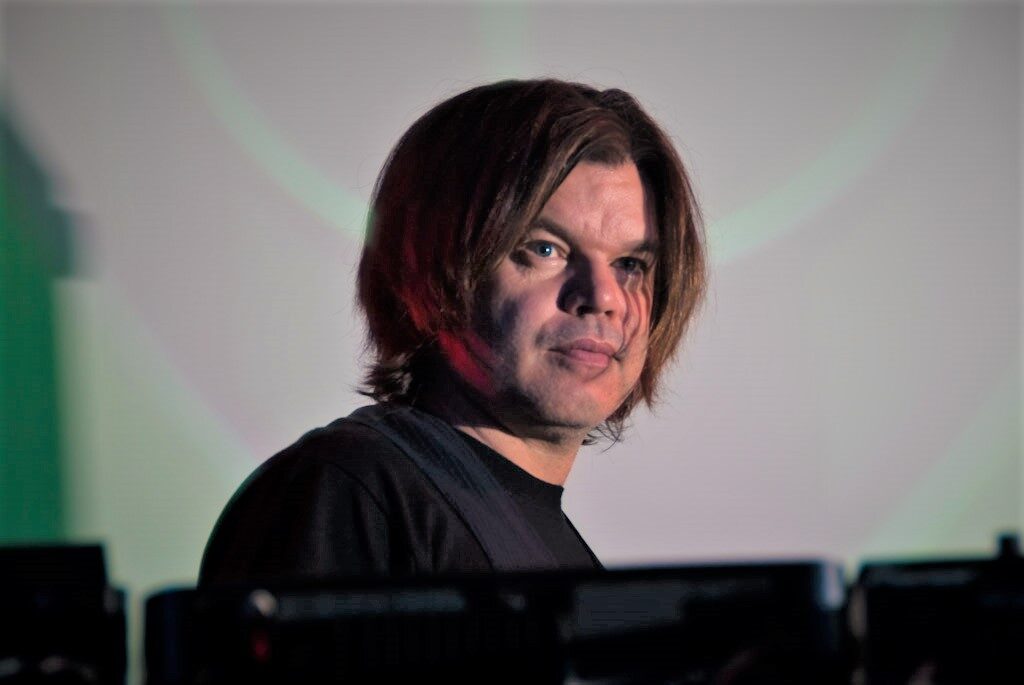
The Que Club Essential Mix from 28 May 1995 is a four-DJ argument about what British club music was becoming, and thankfully nobody stops the night to resolve it.
Paul Oakenfold, Pete Tong, Sasha and Danny Rampling all appear across the broadcast. That matters because the existing shorthand around this recording often reduces it to the first three names, when the surviving track documentation includes Rampling at the end as well.
More importantly, they don’t all sound the bloody same.
Oakenfold’s section is already pulling hard towards the trance direction that would eventually define his late-90s peak. BT’s ‘Loving You More’, Propaganda, Grace, Jam & Spoon, Hardfloor remixes and Man With No Name create a set that can move between progressive house, trance and harder psychedelic material without asking permission from a genre editor.
Pete Tong then changes the conversation. His selection is broader, more immediate and more willing to use vocal house and records that communicate quickly. That radio instinct is not a weakness. In a long club broadcast it provides contrast, resets the room and reminds you that British dance culture in 1995 was not composed entirely of very serious men staring at twelve-minute progressive records.
Then Sasha turns up and the pacing stretches again.
BT, Microman, Speedy J, Blue Amazon and the Perfecto-era material move the recording back towards the patient long-game style he was developing around Renaissance. The blends feel less interested in immediate payoff. The room gets pulled into a different timescale.
Rampling’s documented closing appearance is short, but his presence completes the picture nicely. Here are four DJs tied to different parts of the same British club explosion sharing one night rather than sitting in separate historical chapters.
That is why live broadcasts like this are so useful.
Later histories make scenes look tidy. Oakenfold becomes trance. Sasha becomes progressive. Tong becomes radio. Rampling becomes acid-house history. In a real 1995 club night, those identities were still overlapping all over the place.
The Que Club itself gives the recording another layer. Birmingham was hardly some provincial footnote waiting for London to tell it what dance music was. Large regional clubs were crucial to how these sounds spread, and Radio 1’s live coverage made a local room part of a national weekend.
The handovers are the story here.
A studio compilation can be programmed to make every stylistic change look deliberate. A multi-DJ night has to survive personalities, different record boxes, crowd response and the practical reality that somebody else is about to take over the booth.
You can hear that friction.
Good.
The result is a better historical document than a perfectly seamless four-hour journey would have been. It shows how house, progressive house and trance sat beside each other before marketing departments decided they needed cleaner borders.
If you want the purest Oakenfold, Sasha or Rampling set, this is not it.
If you want to hear British club culture in 1995 being gloriously untidy in real time, this is the fucking one.
Recommended if you like: Follow it with mid-90s Essential Mix live broadcasts, early Perfecto, Renaissance-era Sasha or Pete Tong’s club-radio years — British nights where house and trance still shared the same room.