DJ Paul Oakenfold: Ibiza, the Goa Mix, Cream and Perfecto
Chances are you know the name Paul Oakenfold before you know why — he’s one of those DJs where the mythology is so bloody big it can get in the way of the music. The 1987 Ibiza trip, Spectrum, Perfecto, U2, Cream, the Goa Mix, Global Underground, number-one DJ polls — there’s enough headline stuff to fill three careers. The part I care about is simpler. At his best, Oakenfold understood how to make two hours feel like one piece rather than twenty records queued behind each other. He wasn’t always the cleanest technician in the room, but when the programming worked, very few DJs thought bigger.
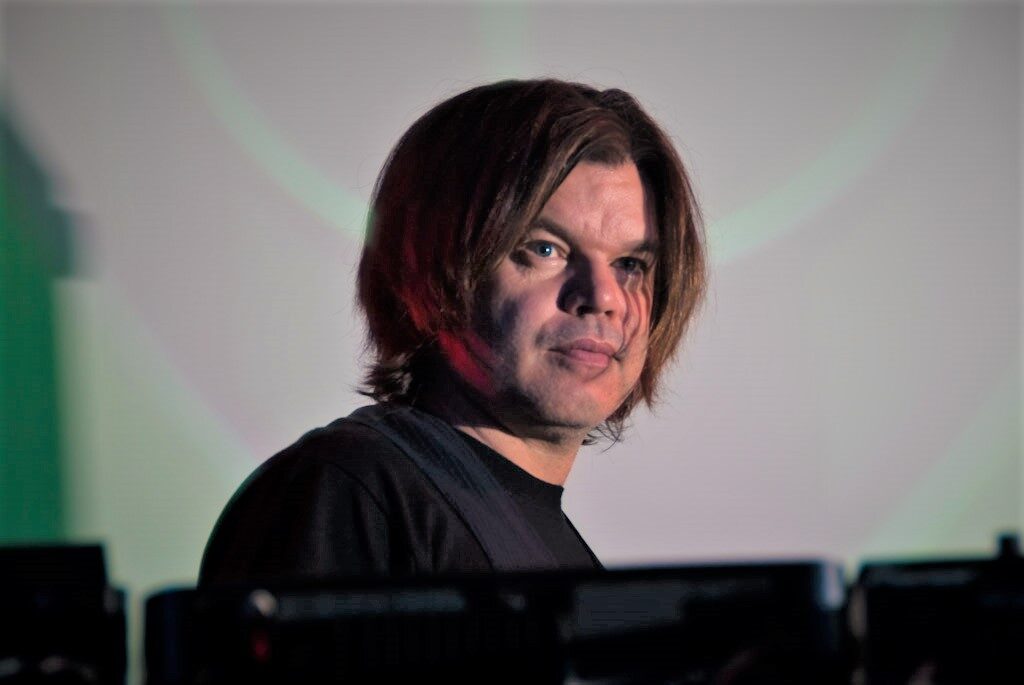
Ibiza mattered — just not in the stupid ‘four blokes invented dance music’ way
The famous story starts in 1987 when Oakenfold travelled to Ibiza with Danny Rampling, Nicky Holloway and Johnny Walker, met up with Trevor Fung and Ian St Paul and heard Alfredo playing at Amnesia. Alfredo’s sets ignored the tidy genre boundaries people later tried to impose on dance music: house, pop, rock and whatever else made sense in the room could coexist if the mood held together.
That trip mattered enormously to the London nights the group built afterwards. What it did not do was magically introduce Britain to house music. Pirate radio, specialist shops, Black British club culture and imported American records were already doing plenty of that work. The neat version makes a better magazine origin story; the messier version is more accurate.
Oakenfold’s real talent was translation. He could hear an idea working in one environment and work out how to make it function somewhere much bigger. That instinct — take a mood, keep the important bit, change the scale — runs through most of the career that matters to The Mix Archive.
Future and Spectrum turned a holiday revelation into an actual club culture
Future began at Heaven in early 1988, followed by Spectrum in the main room that April. Spectrum became one of the defining London acid-house nights, not because every record sounded the same but because the whole thing felt like a new set of rules.
The programming still carried some of the Balearic looseness Oakenfold had absorbed in Ibiza. House sat next to records that would look ridiculous together if you only read the labels. The point was whether the room accepted the move, not whether some genre spreadsheet approved it.
That early Oakenfold gets forgotten once the trance years take over the biography. It shouldn’t. The later Goa Mix makes more sense when you remember he had already spent years learning that a DJ set could survive huge shifts in texture and energy without falling apart.
The cinematic detours didn’t appear from nowhere. The habit of treating the whole set as the unit — rather than the individual tune — was already there.
Perfecto took the club instinct straight into pop without pretending the two worlds were separate
Oakenfold formed the Perfecto production partnership with Steve Osborne and founded Perfecto Records in 1989. That period is where the boundary between underground club culture and the pop business becomes properly porous.
Broader production and remix work around artists including Happy Mondays, U2, Massive Attack and the Stone Roses carried club arrangement, repetition and remix logic into records being heard miles outside a specialist dancefloor.
You can sneer at crossover if you like, but Oakenfold was unusually good at recognising that ‘underground’ and ‘popular’ weren’t permanent musical categories. A record could move between them depending on who played it, where, and what happened around it.
Perfecto also gave him a platform rather than just another line on a DJ CV. The label became part of the infrastructure around the sound, which matters when you’re talking about a career lasting longer than whichever club is fashionable that year.
The Goa Mix is the reason the hype still has something solid underneath it
The BBC Radio 1 Essential Mix broadcast on 18 December 1994 is still the cleanest answer to the question ‘why Paul Oakenfold?’ It’s usually called the Goa Mix now, and it works less like a recording of a club night than a piece of two-hour radio deliberately constructed to be heard from beginning to end.
Goa trance and progressive house provide the engine, but the mix keeps stepping outside them. Ambient passages, film-score material and spoken-word fragments interrupt the obvious dancefloor momentum, then the rhythm returns with more weight because you’ve actually been denied it for a while.
That sounds simple. Plenty of DJs have tried ‘cinematic’ mixing and produced two hours of self-important bollocks. The Goa Mix survives because the dramatic stuff is attached to proper pacing. It understands contrast.
The technical joins aren’t the reason people remember it. The architecture is. Oakenfold knows when to leave a section hanging, when to let atmosphere replace percussion and when to finally bring the room back.
Three decades later, I still wouldn’t play somebody a random ten-minute chunk and expect them to understand it. Start at the beginning. The bastard needs the full runway.
Cream and the late-90s trance years made everything much bigger
By the second half of the 1990s, Oakenfold’s world had changed scale completely. Ministry of Sound and especially Cream placed him inside the superclub era, while international touring made the DJ name itself an increasingly important part of the ticket.
The music narrowed compared with the Balearic years. Trance and progressive trance became far more central, but the best sets still carried the old structural instinct underneath the newer records: long builds, deliberate troughs and a limited number of genuine peaks rather than a fire alarm every six minutes.
The 1999 Homelands Essential Mix is useful here. Orkidea, Grace, Origin, Binary Finary and Gouryella show just how far the selection had moved towards peak-era trance, yet the set doesn’t suddenly become impatient.
Oakenfold was voted number one in DJ Mag’s Top 100 in 1998 and 1999. That tells you plenty about the scale of the reputation, though not necessarily the quality of any individual set. Polls measure visibility as much as taste. The recordings are a better argument.
Global Underground suited the ambition even when the mixing could be rough around the edges
Global Underground gave Oakenfold exactly the kind of format he liked: two discs, a strong concept, loads of room and absolutely no requirement to keep the music inside one neat box.
GU004 Oslo in 1997 is particularly revealing because the full release is stylistically restless. CD1 moves through territory outside this site’s core progressive focus; CD2 settles into Bedrock, Taucher, Astral Projection and the trance-facing direction that increasingly defined Oakenfold’s sets.
GU007 New York followed in 1998 and caught the international version of the career getting even larger. The city branding suited a DJ who was already being presented less as a resident tied to one room and more as somebody whose identity travelled with him.
Compared with Sasha or Digweed, Oakenfold could sound technically less polished. I don’t think pretending otherwise helps anybody. But the strongest GU material also reminds you that perfect blends and great programming are not the same skill.
Oakenfold could occasionally make a slightly ugly transition inside a set whose overall shape was fucking excellent. I’ll take that over ninety minutes of flawless mixing that goes nowhere.
The problem with becoming a superstar is that the superstar starts swallowing the DJ
By the end of the 1990s, the Oakenfold brand was becoming bigger than the club story that created it. Stadium support slots, global touring, film work and later celebrity collaborations pushed him into a version of DJ culture where the name itself could become the event.
Some of that sits outside what The Mix Archive is trying to preserve. I’m not particularly interested in forcing every later career move back into a progressive-house story just because the same bloke is involved.
The useful period here runs from the late-1980s Balearic and acid-house years through the Goa Mix, Cream, Global Underground and the late-90s trance peak into the early 2000s.
That stretch contains enough change for several DJs: eclectic Balearic programming, acid house, remix culture, progressive house, Goa trance and then much bigger trance rooms. The constant isn’t genre. It’s Oakenfold’s belief that a set should have a beginning, middle and end.
Why Paul Oakenfold still matters
Oakenfold’s reputation has been inflated, mocked, revived and inflated again often enough that you can forget to actually listen.
Do that and the picture gets easier. He wasn’t the only person who brought Ibiza ideas back to Britain. He didn’t invent acid house, trance, progressive house or the DJ mix. He wasn’t always the sharpest technician of his generation either.
What he did unusually well was connect scenes and then think in large structures. Spectrum translated Balearic ideas into a London club. Perfecto pushed club production into wider pop culture. The Goa Mix turned a Radio 1 slot into narrative listening. Cream and Global Underground scaled the whole thing internationally.
That connecting role is more interesting than another ‘legendary superstar DJ’ biography.
And when somebody asks why all the fuss existed in the first place, the answer is still sitting there in two hours of radio from December 1994. Put the Goa Mix on and leave the fucking thing alone.
Signature sound
There is no single Oakenfold sound. The early Balearic years were deliberately broad; the mid-90s moved towards progressive house and Goa trance; the late-90s became much more openly trance-led.
The consistent trait is scale: long arcs, obvious changes in mood and a willingness to remove the beat completely if doing so makes the next section land harder.
Technical smoothness was never the whole appeal. Some transitions are rougher than the equivalent Sasha or Digweed mix, but Oakenfold often compensates by knowing exactly where the overall set needs to go.
At his best, the big records feel big because he hasn’t spent the previous hour desperately trying to prove every record is massive.
Where to start
The Goa Mix from 18 December 1994 is where you have to begin. Don’t skip around it. The whole point is what happens across the full two hours.
Global Underground 004: Oslo CD2 picks up the story in 1997, catching the shift towards a more trance-focused international Oakenfold.
The 1999 Homelands Essential Mix closes things out: the big-room version, much more direct trance, but still built with the same obsession with long escalation.
In The Mix Archive
Essential Mix — The Goa Mix
The essential Oakenfold recording. Two hours of Goa trance, progressive music, ambience and film-score drama that only really makes sense when you let the full structure do its job.
Essential Mix — Live at Que Club
A proper live-club counterpoint: Oakenfold, Tong and Sasha sharing a long broadcast where the handovers and room matter as much as the individual records.
Essential Mix — Live at Homelands
Peak 1999 Oakenfold: far more trance-led than the Goa Mix, bigger in scale, but still refusing to rush the build.
Global Underground 004: Oslo (CD2)
Oslo’s trance-facing second disc: Bedrock through Taucher and Astral Projection, catching Oakenfold in the middle of his late-90s shift.
Possible future archive additions
Global Underground 007: New York
The obvious missing Global Underground companion to Oslo and one of the clearest documents of Oakenfold’s late-90s international scale.
Resident: Two Years of Oakenfold at Cream
A direct document of the Cream residency as it ended — useful for hearing the superstar period through an actual mix rather than just the mythology around it.
Perfecto Fluoro
A natural bridge out of the Goa Mix period, keeping the progressive/trance and cinematic instincts while tightening the club focus.
Key facts
- Core period for this archive
- 1987 to the early 2000s
- Formative Ibiza trip
- Travelled in 1987 with Danny Rampling, Nicky Holloway and Johnny Walker
- Future
- Early 1988 club night at Heaven, London
- Spectrum
- Opened at Heaven on 11 April 1988 with Ian St Paul
- Perfecto Records
- Founded by Paul Oakenfold in 1989
- Production partnership
- Perfecto, with Steve Osborne
- Important production work
- Happy Mondays’ Pills ’n’ Thrills and Bellyaches
- The Goa Mix
- Essential Mix broadcast on BBC Radio 1, 18 December 1994
- Major residencies
- Ministry of Sound and Cream, Liverpool
- Global Underground editions
- Oslo (1997) and New York (1998)
- DJ Mag Top 100 DJs
- Number one in 1998 and 1999
Related archive listening
Essential Mix
Sasha on Radio 1 in the same year: less theatrical, more controlled, and a useful reminder that ‘progressive’ could mean very different things in 1994.
Renaissance: The Mix Collection (CD1)
Renaissance gives you the opposite kind of long-form seriousness: fewer cinematic detours, more obsession with the blend and the relationship between house records.
Essential Mix
Rampling shares the Ibiza origin story but stayed much more firmly rooted in house — a useful comparison with the direction Oakenfold eventually took.
Magik One: First Flight
Where the trance side went next: a more focused Dutch sound, with less of Oakenfold’s genre-hopping and much more commitment to one lane.
Join the conversation
Discuss classic progressive house and trance, share memories and discover more mixes with The Mix Archive community.
Visit the Facebook group (opens in a new tab)