Feature · August 2026
Why the Essential Mix Mattered More When You Had to Stay Up for It
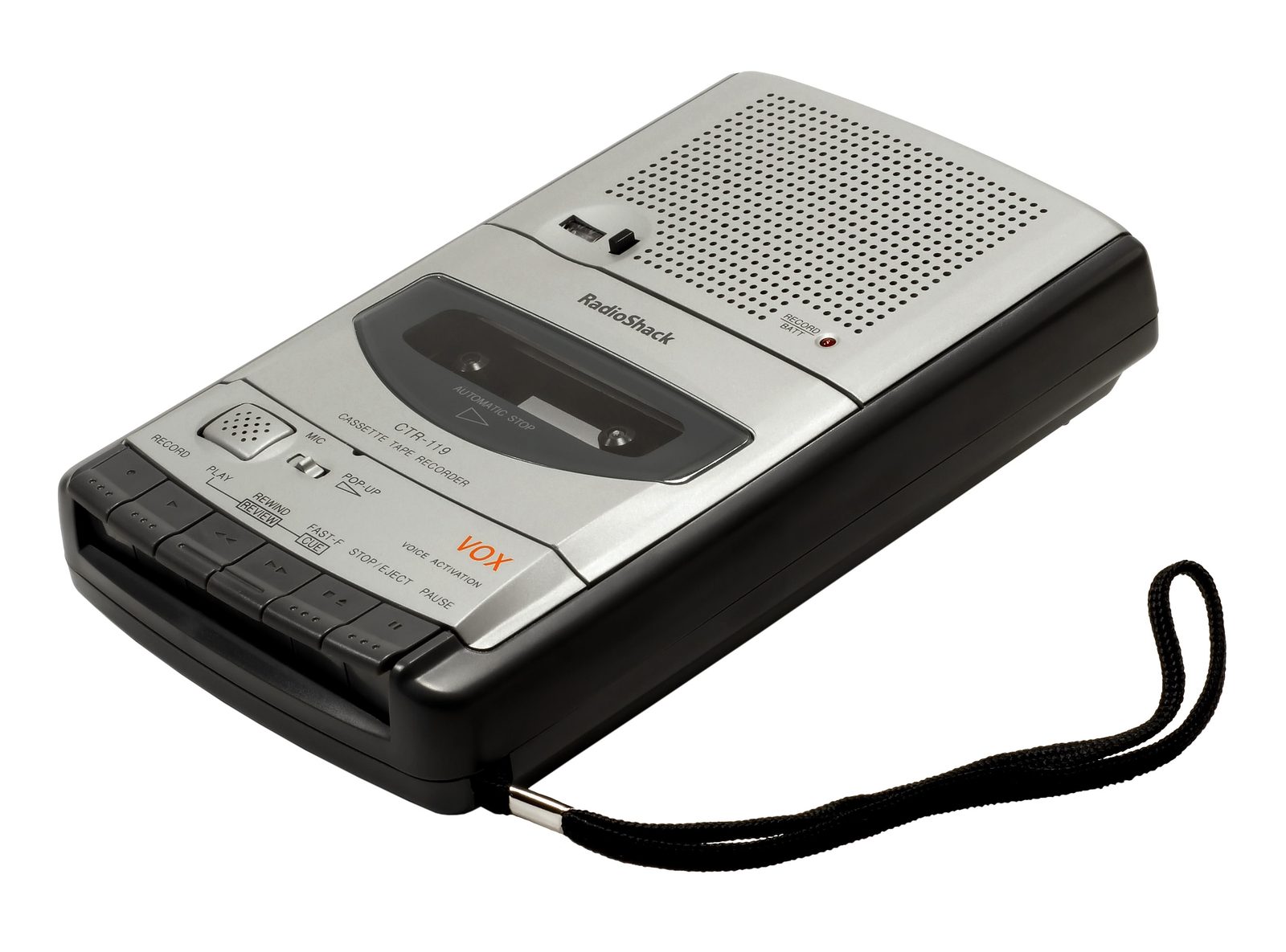
If you remember leaving a cassette running for the Essential Mix, hoping the bastard didn't chew itself before the second hour, you already know this wasn't just another radio show. Before Mixcloud, YouTube, SoundCloud and an effectively bottomless pile of DJ sets on your phone, BBC Radio 1 gave somebody two hours and told them to get on with it. Miss the broadcast and you couldn't assume it would still be waiting for you tomorrow. That scarcity mattered.
Two hours was a ridiculous amount of radio — and that was the point
The Essential Mix began on BBC Radio 1 on 30 October 1993 with Pete Tong, built around a gloriously simple idea: give a DJ roughly two uninterrupted hours rather than squeezing them into a short guest slot. That amount of time changes the job completely.
Ten or twenty minutes encourages highlights. Two hours lets somebody warm up, disappear down a side road, make a questionable choice, recover from it, change tempo or mood and finally land somewhere that would have made no sense at the beginning.
For progressive house in particular, that was basically perfect. This was music full of long intros, slow changes and records whose best bit sometimes happened seven minutes after somebody impatient would have skipped them. Radio 1 gave those records room to behave properly.
And because the programme was national, the club no longer had to be down the road. You could be nowhere near Renaissance, Cream, Bedrock or whichever room had the DJ everyone was talking about and still hear two hours of the actual method rather than somebody describing it to you in a magazine.
If you missed it, you actually fucking missed it
This is the part streaming has made genuinely difficult to remember. There was a time when “I'll listen later” wasn't a button.
You stayed up. You set a timer. You left a cassette running. You asked somebody else whether they'd taped it. You got a copy of a copy whose top end had gradually disappeared through several generations of high-speed dubbing. A famous mix could circulate for years with hiss, bad labels, missing minutes and completely the wrong date written on the box.
VICE's retrospective on early Essential Mixes describes exactly that culture: prized broadcasts travelling as tapes and deteriorating copies before digital files made them permanently accessible. That inconvenience was annoying. It also gave the recordings weight.
When access is scarce, choosing to listen is an event. You don't have another four hundred mixes sitting one thumb movement away. The cassette is already running. You might as well find out where the bastard goes.
“Miss the broadcast and you couldn't assume it would still be waiting for you tomorrow. That scarcity mattered.”
Sasha on Radio 1 before the mythology completely swallowed him
Sasha's Essential Mix from 15 January 1994 is one of the reasons the early years remain so useful. It arrived before Renaissance: The Mix Collection and before the later Global Underground and superstar-DJ mythology had completely hardened around his name.
The set still feels close to house. There is warmth in it that later descriptions of Sasha as purely epic, atmospheric or progressive can flatten out. What is already obvious is the patience: records are given space and the bigger sections work because he hasn't spent the previous half-hour yelling for your attention.
A national two-hour broadcast let listeners hear the thing club reports and magazine profiles struggled to explain. The reputation wasn't only a name on a flyer anymore. You could judge the programming.
Then Oakenfold decided two hours of radio didn't need to sound like a club
Paul Oakenfold's Goa Mix on 18 December 1994 pushed the freedom of the format much further. Goa trance and progressive records provide the engine, but ambience, soundtrack material and spoken fragments keep interrupting the obvious dancefloor momentum.
On paper that can sound unbearably self-important. Plenty of “cinematic” DJ mixes are. The Goa Mix survives because the dramatic stuff is attached to actual pacing. Remove the beat for long enough and its return matters.
It treats radio as radio rather than pretending somebody's bedroom at two in the morning is a nightclub. That sounds obvious now, after decades of conceptual mixes and online radio, but it helped establish what the Essential Mix could be: not merely documentation of a DJ set, but a two-hour piece built specifically to be heard.
Progressive house was practically built for this format
Nick Warren is a perfect example of the less theatrical version. His 20 August 1995 Essential Mix doesn't need a grand concept. It is deep, rolling and ridiculously patient.
Four years later, his 3 October 1999 broadcast sounds brighter and tougher as the wider progressive scene leans harder towards trance, but Warren's operating system is basically unchanged. Let sections settle. Move the room slowly. Save things.
Those two broadcasts are useful together because they let you hear a genre changing around a DJ rather than reducing the history to release dates and labels. Streaming makes that comparison wonderfully easy now. The irony is that the original experience was powerful partly because comparison wasn't easy at all.
Dave Seaman reminds you progressive house once sounded like house
Dave Seaman's Essential Mix from 14 January 1996 is another corrective to the way the era gets remembered. It is warm, groove-led and full of records from Blue Amazon, BT, Way Out West and the Brothers in Rhythm world.
If your mental image of progressive house is permanently dark drums and serious men staring at mixers, this recording is useful. The genre still had obvious house underneath it.
Seaman's appeal is less mythological than Sasha or Oakenfold, which can make him easier to overlook in retrospective histories. On the radio that doesn't matter. Two hours of controlled programming is the argument.
Live Essential Mixes put the room back into the recording
The studio broadcasts were only half the story. Live Essential Mixes could preserve something commercial mix CDs deliberately cleaned away: the bloody room.
Levels shift. Crowds exist. A transition can be rough. A record might stay on because it is clearly working rather than because somebody decided six weeks later that it fitted a perfect narrative.
The Que Club broadcasts, Oakenfold at Homelands and Danny Rampling at Amnesia show different versions of that value. They document decisions made for a real crowd, then throw those decisions out across national radio.
For people nowhere near Birmingham, Winchester or Ibiza, the programme became a strange form of remote club culture. You weren't there. But for two hours you could hear enough of the room to understand why somebody wished they were.
Streaming fixed the access problem — and quietly killed the ritual
I am not going to do the tedious thing where every technological inconvenience from the 1990s becomes evidence that life was better. Streaming is brilliant for this music.
A mix that once survived as a fourth-generation cassette can now be found in seconds. You can compare Warren in 1995 with Warren in 1999, move straight from Sasha to Seaman and finally identify the record you spent twenty years calling “track seven on that tape”. That is an enormous improvement.
What disappeared is not quality. It is scarcity.
When every set is permanently available, the cost of abandoning one approaches zero. Thirty seconds feels enough to decide whether you are interested because another mix is already waiting underneath it.
The Essential Mix used to reverse that relationship. The broadcast was happening now. The cassette was running now. If you wanted it, you paid attention now.
That ritual did not make every Essential Mix brilliant. Plenty were average, some dated horribly and nostalgia has definitely improved a few that didn't deserve it.
But the format encouraged DJs and listeners to think in hours rather than clips.
That still matters.
So use the convenience. Dig the old broadcasts out on Mixcloud. Skip the hiss and broken C90s. Just try one old habit while you're there.
Start at the beginning and leave the fucking thing alone.
Related listening in The Mix Archive
Essential Mix
Sasha on national radio before the mythology hardened — still close to house, already ludicrously patient.
Essential Mix — The Goa Mix
The broadcast that decided two hours of radio didn't have to behave like a nightclub.
Essential Mix
Deep, rolling and in no hurry whatsoever. No concept required.
Essential Mix
Two warm hours from when progressive house still had obvious house underneath it.
Essential Mix
The same operating system four years later, with the scene leaning much harder towards trance.
Essential Mix — Live at Homelands
Peak-era Oakenfold in front of a real crowd, with the room left in the recording.
Essential Mix — Live at Que Club
Four DJs, one Birmingham night and no interest in agreeing on a genre — live radio doing what studio mixes can't.
Sources and further reading
Join the conversation
Discuss classic progressive house and trance, share memories and discover more mixes with The Mix Archive community.
Visit the Facebook group (opens in a new tab)