Magik Six: Live in Amsterdam
- Trance
- Progressive Trance
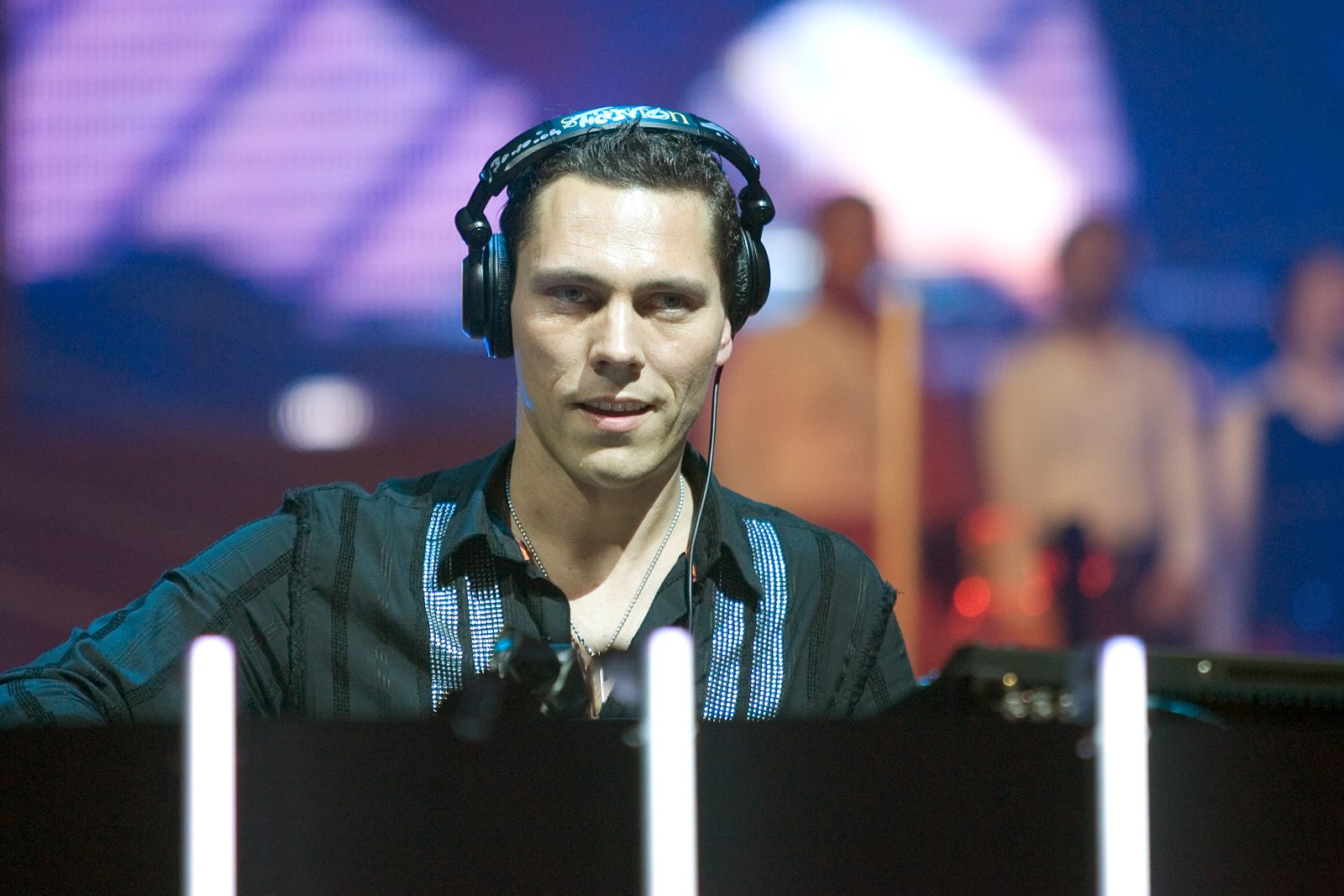
Magik Six: Live in Amsterdam is where the early Tiësto story starts looking dangerously like the version everybody remembers.
Recorded at a Wildlife event at Amsterdam’s Melkweg on 23 June 2000, the sixth Magik volume has a scale and confidence that First Flight simply doesn’t. The production is cleaner. The melodies are bigger. The records are more obviously built for a trance crowd that already knows exactly what it wants.
And yet it still has patience.
That is the bit worth hearing now.
Afterburn’s ‘North Pole’ and the John Johnson mix of Sunburst’s ‘Eyeball’ start the disc in rolling progressive-trance territory before Yahel & Eyal Barkan, Free Radical and Fire & Ice begin opening the emotional side up. Nothing feels particularly rushed. Tiësto lets the records establish a world before the properly famous material arrives.
Then Delerium’s ‘Silence’ appears in his own In Search of Sunrise remix.
That is obviously the moment everybody recognises, but the mix works because it isn’t treated as though the first half-hour existed purely to queue for it. Moogwai’s ‘Viola’ in the Armin van Buuren remix, Kamaya Painters, Airwave and Push keep the second half moving through a sound that is brighter and more openly trance-facing than the first Magik volume without losing the long-form structure underneath.
This is turn-of-the-millennium trance before the style completely learns to behave like a stadium product.
There are giant melodies. There are breakdowns. There is plenty here that points directly towards the next few years. But the disc still understands contrast. It can spend time rolling rather than peaking. A darker record can sit next to something euphoric without the transition feeling like a genre change.
That balance is why Magik Six earns a place in this Archive even though The Mix Archive is rooted more heavily in progressive house than classic Dutch trance.
The overlap is the interesting bit.
Around 1999–2000, progressive house and progressive trance were sharing records, DJs and audiences constantly. Sasha’s Global Underground mixes were getting brighter. Northern Exposure 2 had already leaned harder into trance. Oakenfold was filling giant rooms with records that still used progressive pacing. Tiësto sits on the other side of the border, coming from trance but using enough patience and atmosphere that the line becomes fairly pointless.
Magik Six is also a useful contrast with what happened later.
Tiësto’s career became so enormous that the early mixes can get heard backwards, as primitive versions of the superstar years. They are better than that. This is a proper DJ mix from a scene where the continuous hour still mattered as an object in itself.
You don’t have to love where mainstream trance went afterwards to enjoy this.
In fact, if the stadium stuff puts you off, Magik Six is a good place to remember why people got so excited in the first place.
The melodies are big.
The ego still fits inside the booth.
Recommended if you like: Play next: Magik One, late-90s Black Hole trance, Airwave, Push or early Armin van Buuren — progressive trance from before the arena years took over.