Essential Mix — The Goa Mix
- Trance
- Progressive Trance
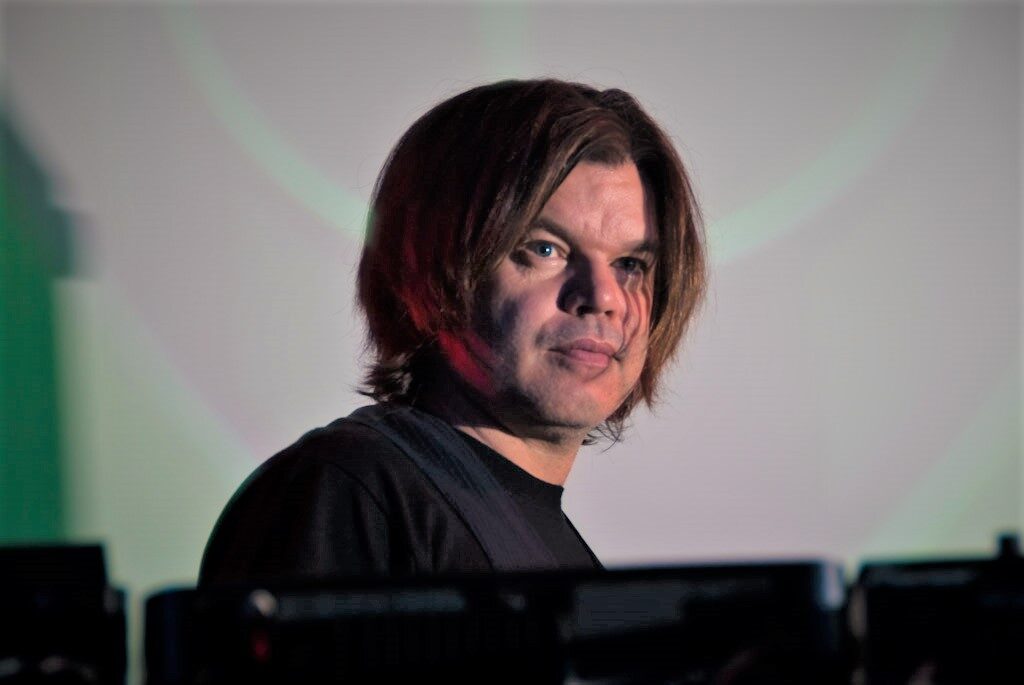
The Goa Mix has accumulated so much mythology that the easiest way to deal with it is to ignore all of that for two hours and actually put the thing on.
Broadcast on BBC Radio 1’s Essential Mix in the early hours of 18 December 1994, Paul Oakenfold’s set is not really trying to sound like a clean recording of a normal club night. That distinction matters. It uses the freedom of radio — and home listening — to move through Goa trance, progressive house, ambience, soundtrack material and spoken-word fragments without worrying that the kick drum has disappeared for too long.
Plenty of DJs can remove the beat. The clever bit is knowing what the silence is doing.
Here, atmosphere isn’t decorative filler between the ‘proper’ records. It changes how the next rhythmic section feels. Pull the percussion away for long enough and its return carries weight. Drop a film-score passage into a conventional club mix and it can sound horribly self-important; place it inside a two-hour structure that has actually earned the pause and it starts behaving like part of the story.
That’s the word people always reach for with the Goa Mix: story.
Usually I hate that kind of language because every mediocre progressive compilation has been sold as a ‘journey’ since about 1996. But this is one of the recordings that explains why the cliché exists in the first place.
Oakenfold had already spent years moving between styles. The Balearic influence from Ibiza and the genre-blind programming around Future and Spectrum meant he wasn’t learning eclecticism for the first time here. What changes by 1994 is the mood. The set is far darker and more deliberate, with Goa trance and progressive records giving the whole thing a centre of gravity even when it wanders into ambience or cinema.
The joins are not what make it important. Oakenfold has never been the technical reference point people use in the way they might talk about Sasha or Digweed. There are moments where another DJ might have made the transition prettier.
So what?
The architecture is the reason it survives.
Sections are allowed to run long enough that you stop thinking track by track. Energy rises, disappears and returns. The mix can feel genuinely huge without spending two hours firing giant records at you because the biggest moments have contrast around them.
That restraint is especially interesting when you know what Oakenfold’s late-90s career became. By the Cream and Homelands years, trance was much more openly dominant and the scale of the rooms had exploded. The 1999 live sets are more direct, brighter and much closer to what people now imagine when they hear ‘peak Oakenfold trance’.
The Goa Mix catches an earlier moment when the destination is less obvious.
It also catches the Essential Mix doing what made the programme special. Two hours on national radio gave DJs room commercial compilations and short club slots often didn’t. This could be built for somebody listening at home rather than pretending every second had to keep a Saturday-night floor moving.
That is how I’d listen to it now.
Not as a museum piece. Not because some poll or retrospective tells you it changed everything. And definitely not by clicking around until you find the bit somebody uploaded separately.
Start at the beginning. Turn the lights down if you want to be dramatic. Leave the phone alone. Let the ambient sections annoy you for a minute if they’re going to.
Then notice how much bigger the next record feels because Oakenfold made you fucking wait for it.
That’s the Goa Mix.
Recommended if you like: Follow it with Oakenfold’s 1999 Homelands set, early Perfecto, Northern Exposure or more Goa trance — anything that understands silence can be part of the build.