Feature · August 2026
Global Underground: When a Mix CD Felt Like a Passport
If a silver Global Underground sleeve still gives you a little jolt of nostalgia, you’re not imagining it. GU didn’t invent the DJ mix, and it didn’t invent the superstar DJ. What it did was package the DJ, the city, the photography and two bloody good hours of music into something that felt bigger than a compilation. This is how two lads from Newcastle turned bootleg tapes into one of progressive house’s defining mix-CD series — and why some of it still deserves the mythology, even once you strip the shine off.

Global Underground is one of those names that can make people of a certain age go slightly misty-eyed before a single track has played. The silver sleeves. The city names. Sasha in San Francisco. Digweed in Sydney. Nick Warren seemingly turning up in another country every five minutes. If you were buying progressive-house mix CDs in the late 1990s, the series didn’t just sit on the shelf — it looked like a world you wanted access to.
That nostalgia can make the history a bit too neat. Global Underground didn’t invent the serious DJ mix album. Renaissance had already shown what could happen when a long club set was treated like a proper release. It didn’t invent international DJ culture either. What GU did brilliantly was join several things together and repeat the formula until it became instantly recognisable: a named DJ, a named place, two extended mixes, strong photography, travel-style writing and enough mythology to make a CD bought in Britain feel connected to a club night on the other side of the world.
Some of those mixes were fucking brilliant. Some were merely good. A few are remembered more fondly because the logo on the spine now hits us straight in the nostalgia gland. That doesn’t weaken the story. It makes it more interesting.
“Two discs, a DJ, a city, some gorgeous photography and the feeling that somewhere else in the world there was a room where this music made perfect sense.”
It started with tapes, not a global masterplan
The beginning was much scruffier than the finished brand suggests. Andy Horsfield and James Todd were friends in Newcastle without some grand record-industry pedigree behind them. Horsfield had worked in photography, Todd in fashion, and the pair started by selling recordings of DJ sets to local record shops.
They then persuaded promoters connected with clubs including Manchester’s Haçienda and Leeds’ Back II Basics to let them produce authorised recordings. In other words, the basic idea arrived before the glossy city photography: capture what a good DJ was doing over a proper length of time and give people a way to take it home.
By the middle of the 1990s, commercial mix CDs had become a serious market. Ministry of Sound was huge, Renaissance had proved there was an audience for mixes treated as complete pieces of programming, and Horsfield and Todd raised the money to launch their own operation through Boxed.
Global Underground 001: Tony De Vit, Live in Tel Aviv arrived in November 1996. De Vit was already a major club DJ through Trade and Cream, but the new series immediately framed him differently. The location wasn’t a small subtitle. Tel Aviv was part of the product.
Even the famous missing GU002 turned out to be less mysterious than years of record-shop chat made it sound. Horsfield later explained that GU002 had effectively been consumed by a catalogue-number cock-up involving the Tony De Vit tape release, so the CD sequence jumped to GU003: Nick Warren, Live in Prague. Not a secret lost album. Just admin. Which is somehow even better.
The ‘live’ bit got complicated pretty quickly
The first releases sit closest to the idea of capturing a real night, but Global Underground quickly became more polished than a raw feed from a club mixer. Accounts differ over exactly where the transition happened, so it’s safer not to pretend every early volume was made the same way.
What became normal was a mix built in the studio around the music, DJ and location associated with a real appearance. That might sound less romantic, but for home listening it made a hell of a lot of sense.
Progressive house was full of long intros, slow changes and records that could take eight, nine or ten minutes to do what they were designed to do. A completely untouched club recording also contains all the bits nobody remembers when they describe the night twenty years later: imperfect levels, dead patches, a transition that nearly got away, the record that worked in the room but sounds strangely flat on headphones.
A constructed mix let the DJ preserve the shape of the night while tightening the actual listening experience. And two CDs gave them room. This wasn’t a seventy-minute sprint through current tunes. One disc could warm up, change direction and finish somewhere entirely different; then the second could start the process again from another angle.
That length is a huge part of why the strongest Global Underground CDs still work. They weren’t scared of taking the scenic route.
The city was half documentary, half bloody clever branding
The genius move was putting a place on the front and treating it as something more meaningful than a tour date. Global Underground made the city feel like part of the music before you’d even opened the booklet.
Horsfield has said the destinations were often connected personally to the DJ, rather than simply picked because somebody fancied a week somewhere sunny. In some cases the link was strong. Dave Seaman’s Buenos Aires edition grew out of his relationship with the city and a set at Pacha. Darren Emerson’s Uruguay was connected to La Morocha in Punta del Este and a significant point in his career.
But the geography wasn’t always documentary truth carved into stone. Nick Warren’s Budapest release was associated with a set played in Kecel rather than Budapest itself, while Brazil obviously ditched the city convention altogether.
And honestly, that’s fine. Global Underground was documenting international club culture and manufacturing a beautiful version of it at the same time. The mistake is pretending only one of those things was happening.
The city gave each mix a story. It also meant the series could keep one consistent identity while swapping Tony De Vit for Sasha, Sasha for Danny Tenaglia, Tenaglia for Dave Seaman and so on. Different DJ, different music, different place — same promise when you saw the logo.
The artwork made DJs look like artists, not bloke-with-records
This is the bit that gets lost when we stream the mixes now. Global Underground was a physical thing. The photography, booklet, design and sleeve notes were part of the experience, not an afterthought wrapped around the audio.
Dean Belcher’s photography became closely associated with the series, while Dom Phillips — then editor of Mixmag — was heavily involved in the writing around the locations and club culture. The presentation gave you faces, streets, venues and a sense of context.
That sounds normal now because dance music spent the following decades turning DJs into visual brands. It looked much more deliberate in the 1990s. Plenty of mix compilations still sold themselves through a club logo, a series name or abstract artwork. GU repeatedly put the DJ and the destination at the centre.
Horsfield’s photography background clearly mattered. He understood that if these DJs were going to be presented as international artists, the product had to look like somebody had spent more than twenty minutes choosing a font and finding a stock photo.
And the roster helped. Tony De Vit, Nick Warren, Oakenfold, Digweed, Sasha, Danny Tenaglia, Dave Seaman and Darren Emerson already meant something in their own scenes. Global Underground didn’t create those careers. It gave them one hell of a consistent frame.
The run where the hype actually earns itself
You can argue all day about the best Global Underground release — and people absolutely will — but the late-1990s run is where the concept stops being clever packaging and starts producing records that can defend themselves without the booklet.
John Digweed’s Sydney gave him a strong solo statement away from Sasha and pushed the series further internationally. Sasha’s San Francisco then nailed the basic GU proposition: patient progressive house, a huge sense of scale and a location that feels connected to the identity of the release without pretending every record somehow sounds Californian.
Danny Tenaglia’s Athens changed the musical picture. As the first mainline edition mixed by an American DJ, it dragged the series beyond a comfortable British progressive-house/trance lane and towards house and techno.
Then Sasha’s Ibiza landed in 1999 at almost the perfect moment. Progressive house and trance were huge, Ibiza was already overloaded with club mythology, and Sasha was at the point where his DJ name alone could sell a mix. It’s hardly surprising the release has remained one of the series’ most loved.
Dave Seaman’s Buenos Aires, Warren’s long run and Darren Emerson’s Uruguay all show why the format had legs. This wasn’t one musical template being copied with a different city on the sleeve. The framework stayed the same while the DJs could sound genuinely different inside it.
That is the bit worth protecting from nostalgia. The best Global Underground CDs aren’t good because they remind us of being younger. They’re good because the programming still holds together when the memory is taken away.
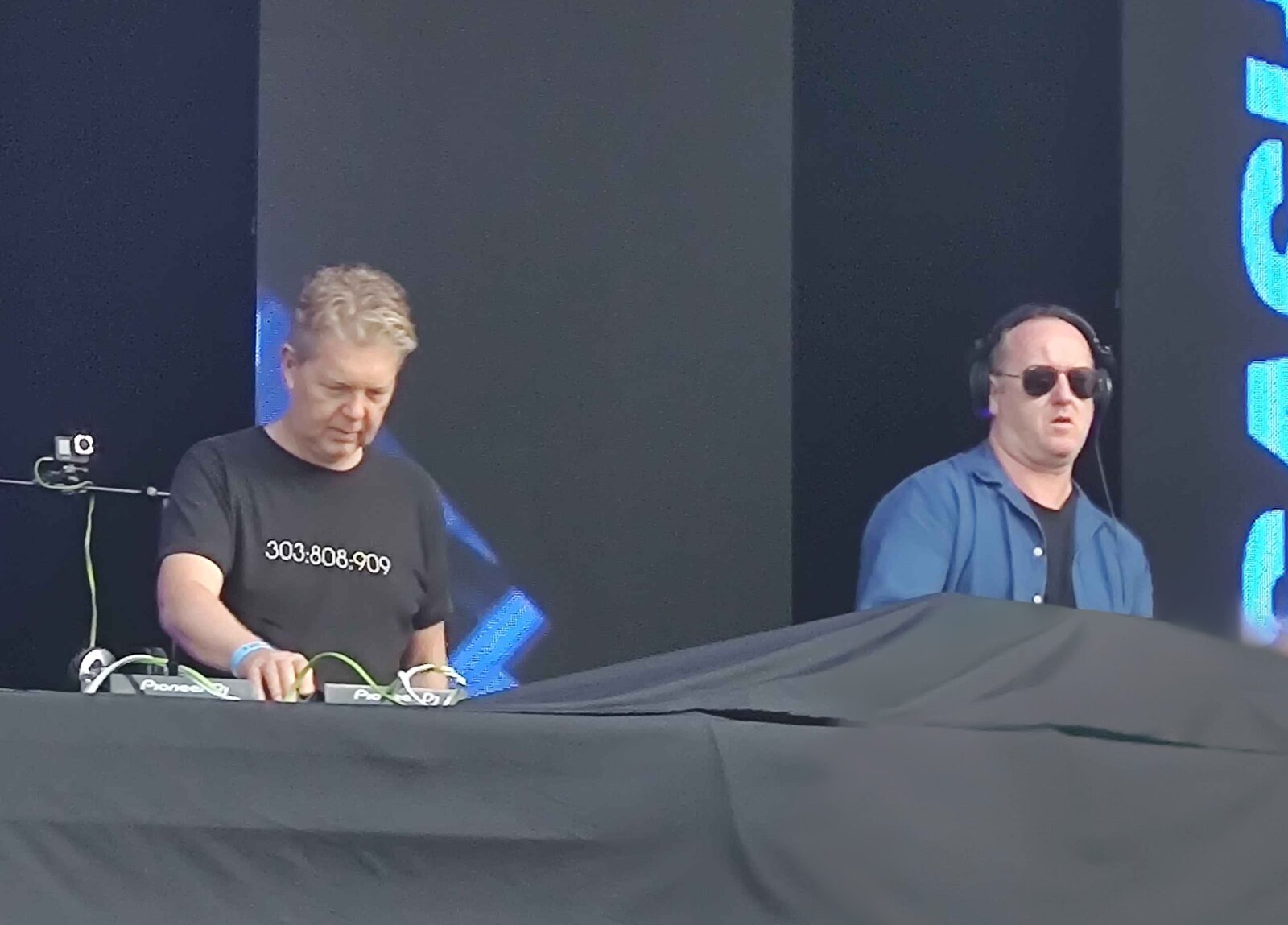
Renaissance, Northern Exposure and the competition for your CD wallet
Global Underground also makes more sense when you stop treating it as though it appeared in isolation.
Sasha and John Digweed’s Renaissance: The Mix Collection had already shown in 1994 that a DJ mix could be packaged and programmed like a substantial release rather than cheap club merchandise. Northern Exposure then pushed the idea towards something even more conceptual and atmospheric.
GU’s move was different. Renaissance sold the club and the partnership. Northern Exposure sold a journey and a mood. Global Underground sold the DJ in a place.
Later, Balance increasingly let individual DJs bend the series around their own taste. Global Underground remained recognisable because it did almost the opposite: it kept repeating a strong editorial framework while changing the person and city inside it.
Was some of that mythology manufactured? Of course it bloody was. That’s branding. But the travel was real, the clubs were real, the DJs were real and enough of the mixes were excellent for the whole thing to avoid becoming an empty marketing exercise.
Not every GU deserves a shrine
Here’s where nostalgia needs checking. The Global Underground catalogue is uneven.
The identical prestige given to every two-disc package can make an ordinary volume look as culturally important as San Francisco or Ibiza. Some releases have one brilliant disc and another you rarely bother with. In later years, the connection between DJ, city and musical context could feel pretty thin.
The label’s own retrospective fan polls are interesting because they show which records stayed emotionally important to listeners, but they aren’t objective league tables. Of course a hugely popular Sasha release from 1999 is going to carry a freight of memory that a less famous volume doesn’t.
That’s why I’d rather judge the series release by release. San Francisco still works. Ibiza still works. Athens, Sydney and Buenos Aires have clear reasons to revisit them. Warren’s best volumes justify the ridiculous number of passport stamps on his discography.
The real achievement isn’t that every GU was essential. It’s that Horsfield, Todd and the people around them built a format strong enough to produce several genuinely great mix albums, while making the physical object feel like part of the music.
Streaming gives us the sound. The old CDs remind you what the idea was. Two discs, a DJ, a city, some gorgeous photography and the feeling that somewhere else in the world there was a room where this music made perfect sense. That’s a bloody powerful bit of packaging — especially when the mix underneath actually delivers.
The rise of Global Underground
Early 1990s
Bootleg and authorised tapes in Newcastle
Horsfield and Todd start by distributing DJ-set recordings around Newcastle — the scruffy beginning of what later became a very polished idea.
11 November 1996
GU001: Tony De Vit, Live in Tel Aviv
Tony De Vit opens the series and establishes the basic promise: a serious DJ, an international location and a mix long enough to breathe.
24 March 1997
GU003: Nick Warren, Live in Prague
Warren starts what becomes one of the longest DJ relationships in the entire Global Underground catalogue.
1998
GU006: John Digweed, Sydney
Sydney strengthens Digweed’s solo identity and shows the city format working comfortably beyond the earliest releases.
9 November 1998
GU009: Sasha, San Francisco
One of the defining GU volumes: Sasha, San Francisco and the progressive-house sound at full late-90s scale.
15 February 1999
GU010: Danny Tenaglia, Athens
Tenaglia becomes the first American DJ in the mainline series and widens the musical vocabulary into house and techno.
September 1999
GU013: Sasha, Ibiza
Ibiza arrives at almost the perfect commercial moment for Sasha, progressive house, trance and the GU idea itself.
2000
Wider television exposure
Television coverage reflects how far the label’s city-and-DJ mythology has travelled beyond specialist record shops and magazines.
2001
From Boxed to Global Underground Ltd
The original Boxed company closes, but the Global Underground name and catalogue continue under a new structure.
Eight releases that explain the early series
GU001: Live in Tel Aviv
- DJ
- Tony De Vit
- Location
- Tel Aviv
- Released
- 11 November 1996
Where the whole thing starts: Tony De Vit, Tel Aviv and an early release still closely tied to the idea of capturing a real club night.
GU003: Live in Prague
- DJ
- Nick Warren
- Location
- Prague
- Released
- 24 March 1997
The beginning of Warren’s absurdly long GU relationship and an early taste of the patience that would define his best city mixes.
GU006: Sydney
- DJ
- John Digweed
- Location
- Sydney
- Released
- 1998
A key solo Digweed statement, moving him further out of the Sasha partnership and into a deeper individual identity.
GU009: San Francisco
- DJ
- Sasha
- Location
- San Francisco
- Released
- 9 November 1998
One of the releases that justifies the whole mythology: polished, patient late-90s Sasha with the city concept working exactly as intended.
GU010: Athens
- DJ
- Danny Tenaglia
- Location
- Athens
- Released
- 15 February 1999
Tenaglia widens the series beyond its early British progressive centre, bringing a more house-and-techno-led American perspective.
GU012: Buenos Aires
- DJ
- Dave Seaman
- Location
- Buenos Aires
- Released
- 1999
Seaman’s controlled progressive sound meets a city that became genuinely important to the genre rather than merely looking good on a sleeve.
GU013: Ibiza
- DJ
- Sasha
- Location
- Ibiza
- Released
- September 1999
GU at its late-90s peak: Sasha, Ibiza and a two-disc mix that still gets pulled off shelves for reasons beyond nostalgia.
GU015: Uruguay
- DJ
- Darren Emerson
- Location
- Punta del Este, Uruguay
- Released
- 2000
A more personal location link, and proof the series could still make the city framework mean something even this far into the run.
Related listening in The Mix Archive
Renaissance: The Mix Collection (CD1)
The earlier mix-CD landmark. Renaissance proved a long progressive set could be treated like a proper release; GU took that seriousness and wrapped it around a city.
Northern Exposure (CD1 — North)
A different kind of concept mix: less travel brochure, more widescreen atmosphere, and one of the best comparisons for what long-form progressive programming could become.
Essential Mix
Sasha before San Francisco and Ibiza — just the selector, no city concept, no artwork, no mythology yet.
Global Underground 006: Sydney (CD1)
Digweed on his own inside the city format — patient, percussive and in no hurry to hand you a payoff.
Essential Mix
Warren on Radio 1 before Prague kicked off his long run with Global Underground.
Essential Mix
Seaman’s patient, groove-led style before Buenos Aires put him inside the GU city format.
Possible future archive additions
Sasha — GU009: San Francisco (CD2) · 1998
CD1 is already in the Archive; CD2 would finish one of the strongest Sasha/Global Underground entries properly.
Danny Tenaglia — GU010: Athens (1999)
Athens is where the series’ musical range gets harder to describe as simply British progressive house and trance.
Nick Warren — GU003: Live in Prague (1997)
The start of Warren’s extraordinary run with the series and one of the most obvious gaps in the current Archive.
Dave Seaman — GU012: Buenos Aires (CD1) · 1999
CD2 is already here; adding CD1 would complete Seaman’s first GU city mix.
Sasha — GU013: Ibiza (1999)
One of the most obvious future additions: a release still central to how people remember both Sasha and the series.
Global Underground: key facts
- Founded in 1996 by Andy Horsfield and James Todd.
- Initially operated through the Newcastle-based Boxed label.
- Grew out of Horsfield and Todd's earlier distribution of recorded DJ sets.
- The first mainline release was Tony De Vit's Live in Tel Aviv in November 1996.
- GU002 did not appear as a normal standalone volume in the main UK sequence.
- Boxed closed in 2001, and the series continued under Global Underground Ltd.
- The core format paired a featured DJ with a named location across two mixed CDs.
- Photography, design and travel-style sleeve writing were treated as part of the release concept.
- Early defining DJs included Tony De Vit, Nick Warren, Paul Oakenfold, John Digweed, Sasha, Danny Tenaglia, Dave Seaman and Darren Emerson.
- Danny Tenaglia's Athens was the first mainline edition mixed by an American DJ.
Sources and further reading
- Vice — Revisiting the Old School UK Mix Series That Made Superstar DJs a Thing (opens in a new tab)
- Decoded Magazine — Feature Interview: Andy Horsfield (opens in a new tab)
- GRAMMY.com — How Sasha & John Digweed's Northern Exposure Broke the Mix Album Mold (opens in a new tab)
- AllMusic — Global Underground 010: Athens — Danny Tenaglia (opens in a new tab)
Join the conversation
Discuss classic progressive house and trance, share memories and discover more mixes with The Mix Archive community.
Visit the Facebook group (opens in a new tab)