Feature · August 2026
What the Hell Happened to Progressive House After 2001?
Stick a progressive mix from 1996 next to one from 2003 and you’ll hear it straight away — something happened. The drums got tougher, the rooms felt colder, the technology moved on, the superclub machine started wobbling, and the genre splintered into breaks, tribal, techier and more minimal directions. Progressive house didn’t die in 2001, whatever the old heads mutter into their pints. It just stopped agreeing what the bloody centre was, and here’s how that actually unfolded.
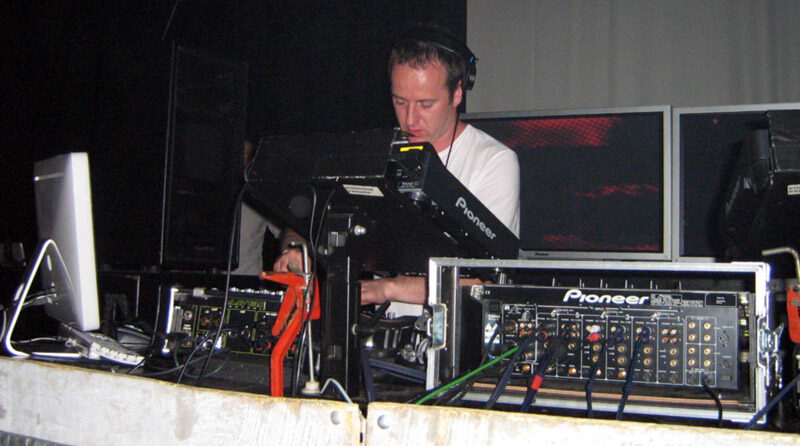
2001 didn’t kill progressive house. It’s just a handy place to point at the corpse that wasn’t there
Put a mix from 1996 next to one from 2003 and you don’t need a degree in dance-music history to hear the difference. The earlier set often breathes more. House groove sits closer to the surface. Melody arrives gradually. The later one is more likely to hit with tougher drums, darker bass, cleaner production and a slightly colder sense of purpose.
People who lived through it often reach for the same date: around 2001, progressive house changed. They’re not imagining it. But the neat version — warm 90s progressive on one side, dark digital progressive on the other — is far too tidy.
Nothing happened at midnight on 1 January 2001. Several slower changes simply collided around the same few years: darker production already developing in 1999 and 2000, software changing studios, CD technology changing booths, famous clubs losing their grip, print and record-shop culture weakening, and producers wandering off into breaks, tribal house, tech house, minimal and whatever else looked more interesting than staying inside one increasingly vague genre.
So 2001 is useful as a marker. It is not a murder weapon.
The 90s version was never as warm and cuddly as nostalgia remembers
There is a danger in treating Renaissance and Northern Exposure as though they represent every progressive-house record made before 2001. They don’t. They are brilliant, famous documents, which means memory has used them as wallpaper for an entire decade.
Early progressive house grew from house, dub, techno and trance influences. Labels such as Guerilla helped establish a sound with long arrangements, deeper bass and gradual development. Renaissance: The Mix Collection then gave Sasha & Digweed’s version of that culture a physical monument in 1994. Northern Exposure in 1996 made it colder, stranger and more cinematic.
But darker material existed throughout the decade. The shift did not begin because somebody discovered a tribal drum loop in 2001. What changed was how much of that tougher material moved towards the centre of major DJs’ sets.
The distinction between progressive house and progressive trance was already messy too. House generally kept more groove underneath it; trance leaned harder on melodic arc and release. DJs ignored the border whenever a good record made the argument irrelevant.
By 1999 the darker turn was already sitting in the bloody room
Nick Warren’s October 1999 Essential Mix is brighter and harder than his 1995 broadcast. Dave Seaman’s Buenos Aires Global Underground mix is controlled, dark and increasingly trance-facing. Bedrock Records arrives around the same period with John Digweed and Nick Muir building a home for deeper, atmospheric progressive material.
Then Communicate lands in 2000. Sasha & Digweed, the partnership people associate with Northern Exposure’s widescreen atmosphere, suddenly sound tighter, more percussive and far more club-focused. If progressive house supposedly changed after 2001, somebody forgot to tell two of its biggest DJs that they were early.
Global Underground’s Nubreed series also appears in 2000, giving younger and often harder selectors another platform beside the main city series. The fragmentation is already visible before the symbolic dividing line.
That is why I prefer thinking of 1999–2002 as a corridor rather than a door. You can hear DJs walking through it at different speeds.
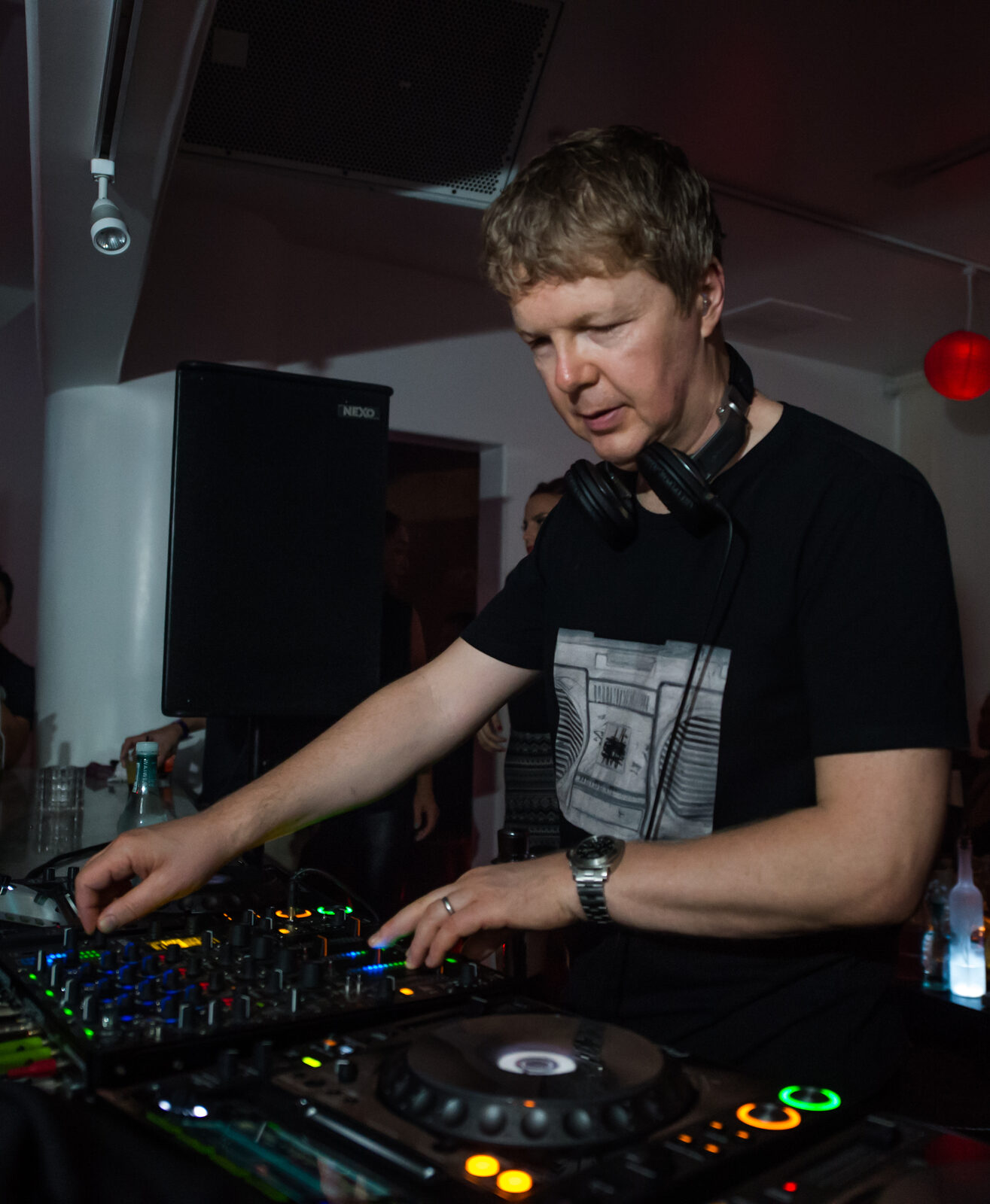
Studios got faster, cheaper and much more precise
The production environment changed at exactly the wrong time if you were hoping progressive house would stay frozen in 1996 forever.
Software sequencers, plug-ins, samplers and more capable home computers reduced the dependence on large hardware studios. Making a good record did not suddenly become easy — talent stubbornly remained necessary — but editing, arranging and revising became quicker and more accessible.
That precision changed aesthetics as much as economics. Drums could be cleaner. Edits could be microscopic. Collaborators could generate more versions and arrangements. Producers could push detail further without paying a commercial studio every time they wanted to move a bloody hi-hat.
Sasha’s Airdrawndagger in 2002 is a useful symbol. Built with collaborators including Charlie May, Junkie XL and James Holden, it has an extraordinary level of polish and detail. Some people heard control. Some heard clinical. Both reactions tell you something about the period.
Technology didn’t order progressive house to become cold. It simply made more directions possible, faster. The scene chose several of them at once.
The booth changed too — just not overnight
This bit gets rewritten by technology mythology all the time. Somebody says the CDJ-1000 arrived in 2001 and suddenly every vinyl DJ threw their Technics into a skip. Obviously not.
Vinyl remained important for years. But Pioneer’s CDJ-1000 did make CD playback feel much more natural to DJs used to turntables, and CD-Rs gave producers and DJs a faster way to move unreleased music around without waiting for a finished pressing or dubplate.
That mattered. A new version could travel internationally much faster. A set could contain more unreleased material. Scarcity started changing shape.
Beatport did not launch until 2004, so fully digital purchasing still sat ahead. The shift was gradual: vinyl beside CDs, CDs beside laptops, then increasingly file-based workflows.
The important change is not ‘vinyl died’. It is that the speed between somebody finishing a track and another DJ playing it began shrinking dramatically. Faster circulation means faster stylistic mutation.
Then some of the rooms holding the whole culture together disappeared
Music scenes are never just records. They are rooms, residencies, shops, magazines and a group of people collectively agreeing that this thing matters. Progressive house lost some of that shared infrastructure just as the sound was fragmenting.
Twilo closed in May 2001, ending Sasha & Digweed’s famous New York residency and removing one of the clearest international homes for marathon progressive sets. The UK superclub system weakened more slowly, but regular club schedules and the economics around them were under pressure through the early 2000s.
Muzik magazine closed in 2003. Specialist retail was beginning a much longer transformation. International touring and occasional giant events became increasingly important compared with the resident-led institutions that had given the 1990s scene a shared rhythm.
That can make the musical change feel more dramatic in memory than it really was. Sometimes what people mean by ‘progressive house disappeared’ is partly ‘the places where I used to encounter progressive house disappeared’.
Those are not the same thing. But emotionally they can feel exactly the bloody same.
One genre stopped agreeing with itself and became several better arguments
The most interesting thing after 2001 is not decline. It is fragmentation.
Bedrock and Digweed move deeper and darker. Progressive breaks give Hybrid, BT, Way Out West and others a rhythmic route away from straight four-to-the-floor programming. Tribal and techier material occupies another branch. James Holden moves from progressive/trance records such as ‘Horizons’ towards Balance 005 and Border Community, where minimal, microhouse, techno and stranger electronic music become much more useful labels.
None of these paths completely leaves progressive thinking behind. Long development, controlled tension and gradual sequencing survive. What disappears is the idea that all of it still belongs to one obvious central record box.
That is the crucial shift. Progressive house didn’t run out of ideas. It produced too many neighbouring ideas to keep pretending they were one scene.
Britain losing the centre didn’t mean the world stopped listening
A UK-only history makes progressive house look much deader than it was. Buenos Aires had already become a major centre by the end of the 1990s, with Hernán Cattáneo and clubs such as Pacha building an audience where patient, melodic progressive music remained culturally central.
Cattáneo’s Renaissance Masters Series mix in 2004 is almost comically inconvenient for the ‘progressive died’ story. Here is one of the genre’s established brands carrying a long-form progressive approach forward right when Britain is supposedly done with it.
Nick Warren’s Global Underground 028: Shanghai in 2005 makes the same point differently. The production is unmistakably mid-2000s — breaks, harder digital drums, acid and newer producers — but the structure underneath is still Warren. He waits. He builds. He saves things.
The old sound didn’t survive unchanged, and why would you want it to? The deeper principle survived: make the whole mix matter more than the individual record.
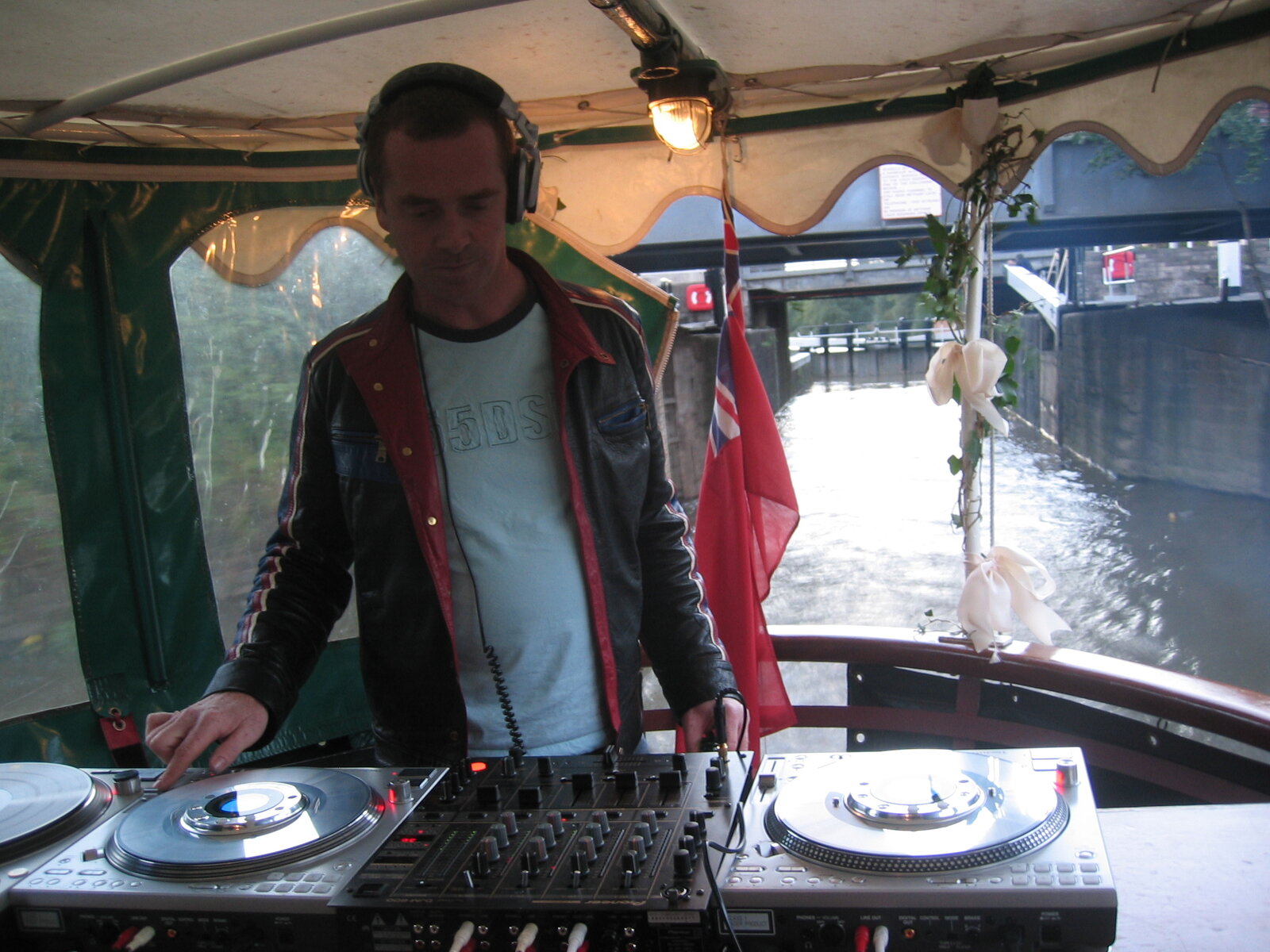
What actually changed? Pretty much everything around the music — and enough inside it
Something real was lost after the 1990s. The warmer house-rooted character of a lot of classic progressive became less dominant. Some productions got so clean and functional they could feel emotionally refrigerated. The shared culture around superclubs, specialist magazines and record shops weakened.
Something was gained too. Breaks, techno, minimal and darker house gave producers exits from a genre that could easily have become a heritage act while it was still young. Digital tools let people experiment faster. Cities outside Britain carried progressive structure into completely different scenes.
Nostalgia makes the before-and-after gap look bigger because we remember the best 90s records and compare them with the average 2000s ones. That is cheating. The 1990s produced plenty of forgettable progressive bollocks too; nobody puts those on anniversary lists.
So what the hell happened after 2001? No single thing. The scene lost a shared centre at exactly the moment technology and taste gave everybody more ways to leave it.
Progressive house didn’t die. It fragmented, migrated and occasionally disappeared up its own arse. Then bits of it came back under different names.
Which, when you think about it, is a pretty progressive thing to do.
“Progressive house didn’t die in 2001. It stopped agreeing what the bloody centre was.”
Before and after
Before approximately 2001
- Long arrangements built to develop inside extended club sets
- House-rooted drums, dubby space and melody carrying more of the emotional weight
- Vinyl as the default DJ format
- Mix CDs treated as complete listening objects rather than disposable playlists
- Superclubs and residencies acting as shared reference points
- Print magazines and specialist record shops shaping discovery
- A broad progressive centre that still held house, trance and breaks close enough to argue with each other
After approximately 2001
- Tougher, cleaner and more club-functional productions sitting beside the older long-form approach
- Tribal, tech-led and darker percussion becoming more prominent
- CDJs and CD-Rs increasingly sharing booths with vinyl
- Software-based studios speeding up editing, collaboration and distribution
- Progressive breaks, tech house, minimal and darker progressive strands pulling away from one shared centre
- A weaker UK superclub and print-media infrastructure
- Digital distribution gradually replacing some of the scarcity that record shops and promo vinyl had created
A changing sound: 1999–2005
1999
Bedrock Records takes shape
Digweed and Nick Muir formalise a deeper, darker Bedrock world just before the supposed 2001 dividing line.
1999
Global Underground 012: Buenos Aires
Seaman’s city mix documents Buenos Aires as a major progressive centre while the UK still thinks it owns the story.
1999
Nick Warren's October Essential Mix
Warren already sounds tougher and brighter than in 1995. The change is happening early.
2000
Global Underground launches Nubreed
Global Underground creates a parallel home for younger and often harder progressive selectors. Fragmentation, officially branded.
2000
Sasha and John Digweed release Communicate
The Northern Exposure partnership turns tighter and more club-focused before 2001 even arrives.
2001
Twilo closes
Sasha & Digweed lose the room most associated with their American marathon sets.
2001
Pioneer releases the CDJ-1000
The CDJ-1000 makes CD playback much more natural for vinyl-trained DJs; the booth starts changing without vinyl suddenly vanishing.
2002
Airdrawndagger and MMII arrive
Sasha and Digweed separately document two very different post-90s directions: studio precision and dark Bedrock control.
2003
Border Community launches
Holden opens another exit from progressive house into minimal, microhouse and techno.
2003
Muzik magazine closes
One of Britain’s major electronic-music magazines disappears as the shared media infrastructure weakens.
2004
Beatport launches
Digital purchasing starts becoming a serious part of how DJs find and acquire new music.
2004
Hernán Cattáneo joins Renaissance's Masters Series
Cattáneo proves the progressive centre can survive very nicely outside Britain, thanks.
2005
Global Underground 028: Shanghai
Warren keeps the old patience underneath a completely different mid-2000s production palette.
Five records or mixes that show the change
Nick Warren — Essential Mix
1999 · BBC Radio 1 broadcast
The transition before the transition: harder and brighter than Warren’s 1995 set, proving the darker turn was already underway.
Sasha & John Digweed — Communicate (CD1)
2000 · Mix compilation
Sasha & Digweed abandoning much of Northern Exposure’s widescreen mood for tighter rhythm and darker club pressure in 2000.
John Digweed — MMII
2002 · Mix compilation
Digweed’s Bedrock identity fully separated from the warmer Renaissance mythology around his earlier career.
Sasha — Airdrawndagger
2002 · Studio album
Sasha’s studio obsession rendered in meticulous digital-era detail — impressive, beautiful and occasionally clinical enough to start arguments.
James Holden — Balance 005
2003 · Mix compilation
Holden crossing progressive house, techno, ambient and IDM while pointing directly towards the genre fragmentation that followed.
The old instinct survived even when the label stopped being useful
Hernán Cattáneo, Nick Warren, Dave Seaman and plenty of others kept the long-form progressive instinct alive after the British centre weakened. The production changed, the labels moved around and the clubs were different, but the basic idea survived: delay the payoff, build context and make the hour matter more than the tune.
That is why arguing about the exact year progressive house ‘died’ gets boring so quickly. Genres are descriptions we apply after people have already made the records. The musicians and DJs are normally halfway into the next thing before the rest of us finish naming the last one.
The 1990s version deserved the love. It also deserved to change. Otherwise we’d still be asking everybody to make Northern Exposure again, and even Sasha & Digweed had the sense not to do that.
Related listening in The Mix Archive
Renaissance: The Mix Collection (CD1)
The warm, house-rooted 1994 baseline people often use when talking about what progressive later lost.
Northern Exposure (CD1 — North)
The colder, stranger 1996 high point — still patient enough to disappear into ambience without panicking.
Essential Mix
Warren already moving into harder late-90s territory before the supposed 2001 break.
Global Underground: Nubreed 001 (CD1)
The fragmentation argument made audible: darker, techier progressive house from the first Nubreed release.
Communicate (CD1)
Probably the cleanest Archive evidence that Sasha & Digweed’s own formula had changed before 2001.
Essential Mix
Seaman in 1996, when progressive house could still sound obviously like house without needing to apologise.
Global Underground 012: Buenos Aires (CD2)
A dark 1999 progressive/trance mix and proof that Buenos Aires was already becoming globally important.
Global Underground 016: Cape Town (CD2)
Turn-of-the-millennium Seaman with colder space and tougher drums sitting right inside the transition.
Global Underground 028: Shanghai (CD2)
2005 production, old Warren patience. The perfect argument against a simple ‘progressive died’ story.
For collectors
Renaissance: The Mix Collection
Three CDs that show how wide progressive house could be — warm house, strange turns, huge records and nearly four hours of Sasha & John Digweed programming that still makes sense as one complete mix.
See it on the Collector's Shelf →Northern Exposure
North drifts through ambient, breaks and psychedelic progressive music. South slowly pulls the club back into view. Hear them together and the complete journey makes far more sense.
See it on the Collector's Shelf →Communicate
Forget the widescreen Northern Exposure mood. Communicate is Sasha & Digweed in 2000: darker, tighter and much more club-focused, with percussion and sustained pressure doing the work the old ambient spaces used to do.
See it on the Collector's Shelf →- Browse the full Collector's Shelf →
Possible future archive additions
John Digweed — MMII · 2002 · Mix compilation
The obvious Bedrock-era document to add when the Archive expands further into the post-2001 period.
Sasha — Airdrawndagger · 2002 · Studio album
Not a DJ mix, but too important to the production/technology part of this story to ignore forever.
Danny Howells — Nocturnal Frequencies 3 · 2001 · Mix compilation
A strong deep-progressive document from the exact symbolic year everybody likes arguing about.
Dave Seaman — Renaissance: Desire · 2001 · Mix compilation
Useful evidence that warmer Renaissance-style progressive did not suddenly evaporate in 2001.
James Holden — Balance 005 · 2003 · Mix compilation
One of the clearest bridges out of progressive house towards the stranger minimal/techno territory that followed.
Key conclusions
- There was no overnight 2001 break; darker progressive was already clearly developing by 1999–2000.
- Software-based studios increased speed and precision but did not force one universal digital sound.
- The CDJ-1000 changed professional booths gradually; vinyl remained important for years.
- Twilo’s closure and weakening UK superclub/media infrastructure changed how central progressive house felt culturally.
- Bedrock, progressive breaks, tech house and minimal became overlapping routes out of one shared progressive centre.
- Buenos Aires and Hernán Cattáneo show why the apparent decline was partly British rather than global.
- The underlying long-form progressive instinct survived even when the production style and genre labels changed.
- 2001 works best as a symbol inside a 1999–2003 transition, not as a literal death date.
Sources and further reading
- Pioneer — Pioneer to Introduce New CD Player for DJs (opens in a new tab)
- NME — The Twilo End Theory (opens in a new tab)
- AllMusic — Communicate by Sasha & John Digweed (opens in a new tab)
- Electronic Sound — We Are The Muzik Makers (opens in a new tab)
- Beatport — About Beatport (opens in a new tab)
- Hernán Cattáneo — Official website (opens in a new tab)