Article · September 2026
Sasha vs Digweed: What Was Actually Different About Them?
Sasha vs Digweed sounds like the sort of argument you have after three pints and two old Renaissance CDs. It is also a useful question. They spent so long being spoken about as one unit that people forget they were never interchangeable DJs. Sasha generally pulled harder towards melody and emotional release. John Digweed was happier living inside rhythm, bass and tension for bloody ages. Those are tendencies, not job descriptions — and the reason the partnership worked is that each could do enough of the other bloke’s thing to keep the handover invisible.
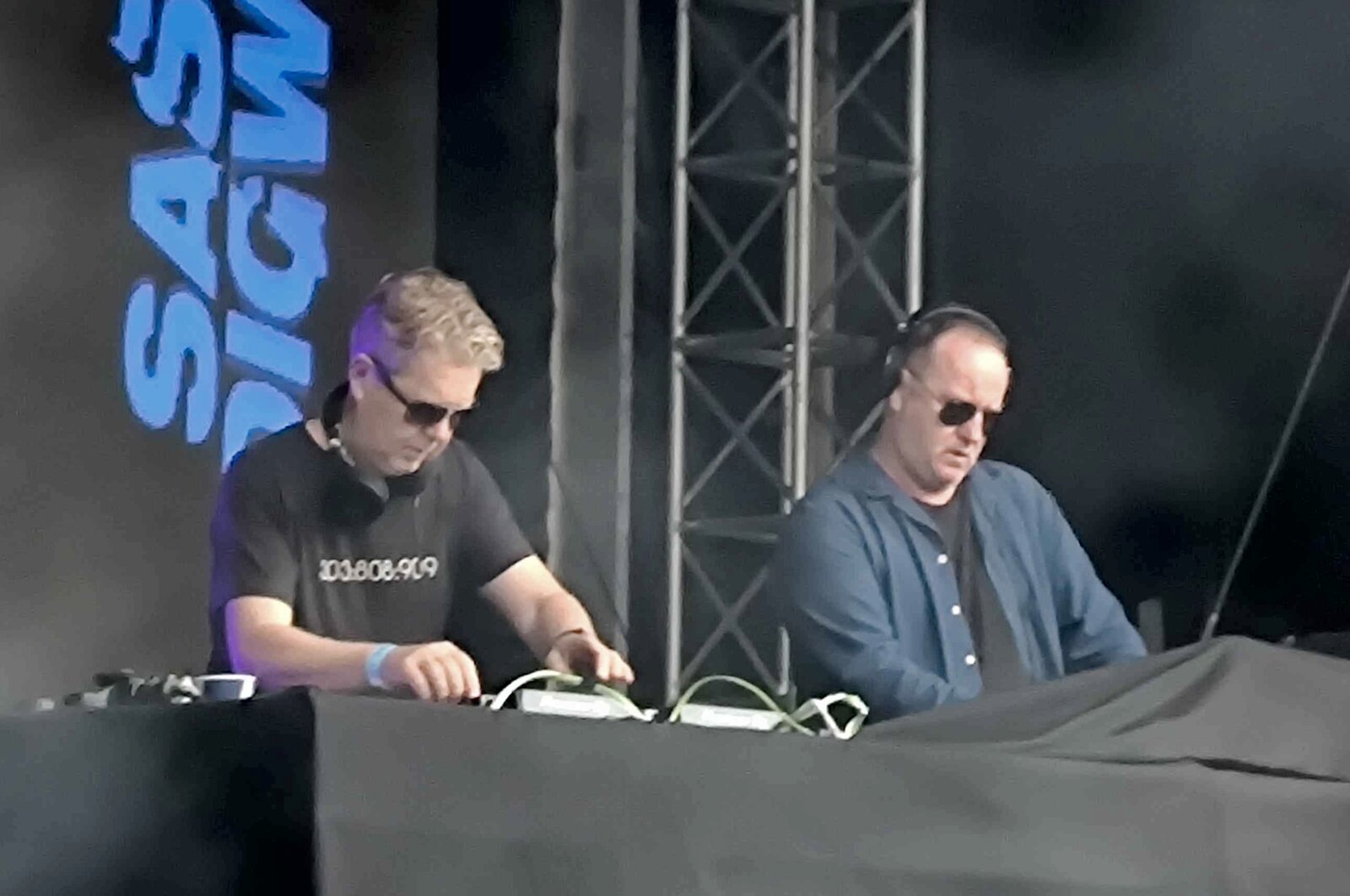
Sasha vs Digweed: the short answer
The lazy version is Sasha = melody and Digweed = darkness. It is useful for about thirty seconds, then it starts lying to you.
Both men could play warm house. Both could go deep. Both could use trance. Both could sit on a groove for ages when the room needed it. But listen across enough of the surviving mixes and a difference in emphasis keeps appearing: Sasha is generally more willing to pull a set towards melody, lift and emotional release; John Digweed is generally happier keeping the pressure on through rhythm, bass and percussion.
That is not just twenty-five years of old blokes rewriting their club memories. A contemporary Los Angeles Times review of a five-hour Sasha & Digweed show in 2001 noticed essentially the same contrast: Sasha making bigger rises through sweeping synth and keyboard movement, Digweed approaching the transitions more methodically and leaning harder on percussion.
The important word is generally. Turn those tendencies into rigid job descriptions and you end up with a cartoon. Sasha could be dark as hell. Digweed could play beautiful melodic records. The partnership worked precisely because neither man was trapped inside the shorthand.
If you want the history of the duo rather than the argument about their differences, the Sasha & John Digweed partnership profile covers Renaissance, Northern Exposure, Twilo and Communicate in full. This page is the other question: when you separate the two, what can you actually hear?
Sasha was more willing to give you the bloody payoff
Sasha’s greatest trick was not simply playing melodic records. Plenty of DJs can do that. It was withholding them long enough for the melody to feel important when it finally arrived.
Go back to the 1994 Essential Mix and the reputation is already there before the later superstar machinery properly takes over. The set has warmth, atmosphere and patience, but Sasha is comfortable letting a record open the room up. He likes contrast. A low-key stretch is often there because he knows something larger will feel better afterwards.
That instinct becomes even clearer in Global Underground 009: San Francisco CD1. The first half can be deep, psychedelic and restrained, but there is always the sense that the horizon might suddenly get wider. Sasha’s late-90s progressive sound does not avoid emotion because emotion is supposedly uncool. It makes you bloody wait for it.
Xpander is basically the same philosophy compressed into one record: layers arrive gradually, the melodic idea keeps revealing more of itself and the payoff works because Sasha has refused to spend it early. If you want the fullest version of this side of him, read the Sasha profile after this.

Digweed was happier living in the middle of the set
Digweed’s best skill is the bit everybody notices least: the middle. The forty minutes where nothing is supposed to look heroic, but the room still needs to keep moving.
He can sit inside rhythm for ages without making it feel like waiting-room music. Bass changes. Percussion shifts. One record tightens what the previous one started. The temperature goes up by half a degree and you only notice when somebody finally drops a melodic record and the bastard suddenly feels enormous.
That is why Global Underground 006: Sydney CD1 is such a useful solo comparison. It is deep, percussive and deliberately patient. Danny Tenaglia, David Alvarado and the surrounding records build pressure without constantly asking you to congratulate them. Then Albion — Air arrives near the end and feels twice as big because Digweed has spent the previous hour refusing to give you that kind of release.
A 2001 Los Angeles Times piece on Digweed’s Global Underground period described his music in similarly useful terms: bass-heavy, repetitive, gradual, with changes subtle enough that a new drum or cymbal could become an event. That is the Digweed thing in one sentence. Not “dark”. Accumulative.
The John Digweed profile follows that instinct through Renaissance, Twilo, Sydney, Bedrock and Transitions. The short version is simpler: Sasha often makes you anticipate the payoff. Digweed can make you forget you were waiting for one.
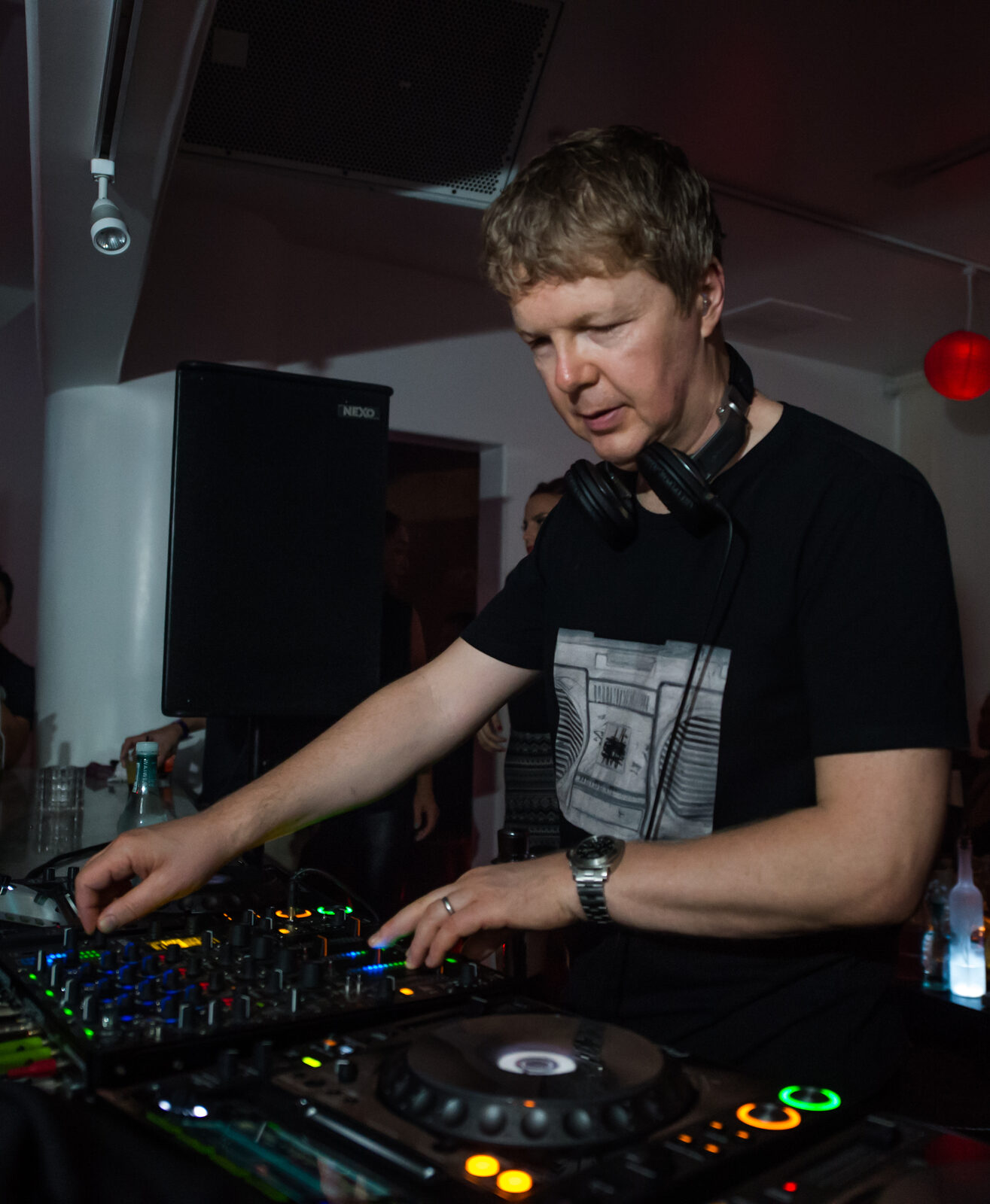
“Sasha made you want the record to arrive. Digweed made you forget you were waiting for it.”
Renaissance worked because neither of them had to win
Renaissance: The Mix Collection CD1 is the worst place to look if you want the lazy “Sasha melodic / Digweed dark” caricature. It is too warm, too house-rooted and too collaborative for that.
That is precisely why it matters. In 1994 the two DJs were still working inside a shared Renaissance language: Leftfield, Bedrock, Rhythm Invention, Sunscreem, long blends and records allowed to develop rather than being chopped into highlights.
The partnership was useful because the overlap was bigger than the difference. Sasha could push towards a more emotional moment without sounding like another DJ had arrived. Digweed could pull the set back towards groove and pressure without tearing down what Sasha had built.
There is a modern temptation to listen backwards and assign every warm moment to Sasha and every darker section to Digweed. Don’t. We do not have to invent neat authorship to make the comparison interesting. The whole point of Renaissance is how difficult it can be to see the join.
Northern Exposure made the partnership bigger than either shorthand
Northern Exposure CD1 is where the simple comparison gets even less reliable. The pair deliberately moved away from a straightforward club-compilation format and started using ambient music, breaks, progressive house and trance as one long listening piece.
People have spent years trying to divide the release into Sasha bits and Digweed bits. The DJs themselves have repeatedly pushed back on that. Contemporary and retrospective interviews describe Northern Exposure as team work, with the roles changing and adapting rather than one man permanently owning “North” and the other “South”.
That matters. Good back-to-back DJing is not two solo sets taking turns. It is responding to what the other person has just done without losing the shared direction.
Northern Exposure 2 CD1 tightens the idea in 1997, bringing breaks and progressive trance further forward. Again, you can hear the individual instincts inside it, but trying to colour every bar red for Sasha and blue for Digweed misses the bloody point.
GU009 vs GU006 is where the comparison gets properly useful
If somebody genuinely asked me “Sasha vs Digweed — what’s the difference?” and gave me two CDs rather than twenty minutes to answer, I would put Sasha’s Global Underground 009: San Francisco CD1 next to Digweed’s Global Underground 006: Sydney CD1.
Same broad era. Same label machinery. Same two-disc progressive-house culture around them. No back-to-back partnership muddying the comparison.
San Francisco feels more willing to open out. Deep and psychedelic material sits beside a growing trance pull, and Sasha’s appetite for scale keeps showing through. Sydney is more grounded in rhythm: deeper low end, percussion doing more of the emotional work, and a refusal to hand you the obvious melodic release until it has been properly earned.
Neither is “better” because of that. They are useful precisely because the same late-90s progressive world produces two recognisably different ways of moving through an hour.
And if you want to understand why Global Underground made these individual identities so visible, the Global Underground feature is the next rabbit hole.
Twilo: give both of them hours and the contrast becomes useful
Twilo is where the whole comparison stops being an argument about records and becomes an argument about time.
The New York residency gave Sasha and Digweed something shorter bookings cannot: enough hours for both instincts to matter. Sasha could pull the room upwards without having to stay there. Digweed could drag it back into pressure without the change feeling like a comedown. A handover could alter the character of the next hour instead of just changing the bloke standing behind the mixer.
This is also where American progressive-house history gets flattened if you are not careful. New York already had deep house, techno and its own club culture. Sasha & Digweed did not arrive and invent electronic music for America. What Twilo gave them was an unusually good room for their specific long-form approach. The wider story is in When Progressive House Went to America.
The famous tales of marathon set lengths have acquired enough folklore to make exact numbers slippery. We do not need them. The important bit is documented and audible: long programming was central to the residency, and long programming made their differences more useful rather than less.
Communicate sounds like the partnership getting harder
By Communicate CD1 in 2000, the romantic version of Sasha & Digweed preserved by Northern Exposure had largely fucked off.
The sound is tighter, darker and more club-focused. Percussion and low-slung pressure matter more. The widescreen ambient detours are no longer the main argument. Some people love that change. Some people still think Communicate is where the magic started draining out.
Either way, it catches both DJs at the point where their solo identities are becoming harder to ignore. Sasha has the Global Underground releases and an expanding production career. Digweed has Bedrock becoming an institution. The pair still work together, but they are no longer dependent on the partnership to explain who they are.
It also lands right inside the wider shift covered in Why Progressive House Changed After 2001. The warmer shared centre is breaking up. Sasha and Digweed do not cause that change; they are useful people to hear moving through it.
Who was the better DJ: Sasha or Digweed?
There is no objective answer, which is disappointing if you came here hoping I would settle a thirty-year pub argument with a spreadsheet.
If what you want from a progressive set is melody, emotional release, bigger dynamic movement and the moment where the room suddenly seems twice the size, I would send you to Sasha first.
If you want sustained tension, deeper rhythm, methodical transitions and a DJ who can make the supposedly uneventful middle hour become the actual reason the final record works, I would send you to Digweed.
If you want to understand why the partnership became bigger than either description, play Renaissance or Northern Exposure and stop trying to award points every ten minutes.
The boring answer is that they were both excellent. The useful answer is that they were both excellent at overlapping things in slightly different proportions.
Why did Sasha and Digweed stop playing together?
Because two enormous solo careers eventually took up more space. There is no need to manufacture a dramatic falling-out.
After the 2002 Delta Heavy tour, joint activity reduced. Retrospectives on Northern Exposure describe the split without hard feelings or some gigantic musical divorce. Sasha moved further into studio work, Airdrawndagger and later digital performance. Digweed kept building Bedrock and his radio platform while remaining one of the safest bets in the world if you wanted several hours of controlled club music.
They continued appearing together periodically and formally reunited for major shows from 2016 onwards. That is easier to understand if you stop imagining Sasha & Digweed as a band that broke up. They were always two separate DJs who happened to be extremely bloody good together.
Where should you start if you want to hear the difference?
Do it in this order and the comparison becomes much easier.
Start with Renaissance for the shared language. Move to Northern Exposure for the partnership at its most ambitious. Then separate them: San Francisco for solo Sasha, Sydney for solo Digweed. Finish with Communicate and listen to what happens when the two identities meet again after both have become stronger.
Do not skip around looking for the famous tracks. That rather defeats the whole fucking exercise.
The actual answer
Sasha vs Digweed is not really a contest. It is a way of hearing why the partnership worked.
Sasha generally made the path towards melody and emotional release more visible. Digweed generally made rhythm and tension feel like destinations in their own right. Sasha could make you want the record to arrive. Digweed could make you forget you were waiting for it.
Put the two instincts together, give them several hours and a room willing to follow, and suddenly an hour disappears without anybody needing to smash you over the head with a drop every five minutes.
That was the trick. Not that they sounded the same. That they didn’t.
Sasha vs Digweed: the useful shorthand
Sasha
- More willing to pull towards melody and emotional release
- Bigger dynamic rises and broader mood swings
- Deep progressive music, but often happier eventually letting the light in
- Late-90s solo reference: Global Underground 009: San Francisco
- Later path leaned harder into production, Xpander, Airdrawndagger and digital performance
John Digweed
- More comfortable sustaining rhythm, bass and tension
- Percussion and methodical transitions doing more of the work
- Particularly strong in the middle of long sets where other DJs start getting impatient
- Late-90s solo reference: Global Underground 006: Sydney
- Later path centred on Bedrock as a club, label, production identity and radio platform
Five mixes to settle the argument yourself
1. Renaissance: The Mix Collection (CD1)
1994 · Sasha & John Digweed
The shared language before the differences became easy to describe: warmer, house-rooted and built around the relationship between records.
2. Northern Exposure (CD1 — North)
1996 · Sasha & John Digweed
The partnership at its most ambitious, atmospheric and least interested in behaving like a normal club compilation.
3. Global Underground 009: San Francisco (CD1)
1998 · Sasha
Solo Sasha: deep and psychedelic, but increasingly willing to open the set towards melody, scale and progressive-trance lift.
4. Global Underground 006: Sydney (CD1)
1998 · John Digweed
Solo Digweed: rhythm, percussion and patient pressure, with the melodic release deliberately saved until it can do maximum damage.
5. Communicate (CD1)
2000 · Sasha & John Digweed
Put them back together after the solo identities have strengthened: darker, tougher and much more club-focused than the Northern Exposure years.
Related listening in The Mix Archive
Sasha
The individual story: Shelley’s, Renaissance, Global Underground, Xpander and the melodic patience behind the hype.
John Digweed
Hastings, Renaissance, Sydney, Twilo and Bedrock — the rhythm-and-tension side of the comparison in full.
Sasha & John Digweed
The partnership profile: Renaissance, Northern Exposure, Twilo, Communicate and why they worked together.
Renaissance: The Mix Collection (CD1)
The common language before the individual differences became obvious.
Northern Exposure (CD1 — North)
The partnership stretched into ambience, breaks and widescreen progressive music.
Northern Exposure 2 (CD1)
Tighter, more breakbeat-heavy and increasingly trance-facing.
Global Underground 009: San Francisco (CD1)
The easiest solo Sasha reference for this comparison.
Global Underground 006: Sydney (CD1)
The easiest solo Digweed reference for this comparison.
Communicate (CD1)
The pair reunited inside a darker, tougher turn-of-the-millennium sound.
What Is Progressive House?
The 1990s sound both DJs helped define without ever making it one tidy genre.
Why Progressive House Changed After 2001
What happened as their solo identities strengthened and the shared progressive centre fragmented.
The Classic Chart
The ten mixes TMA currently rates highest — several of these records live there for a reason.
Sasha vs Digweed: quick answers
- Was Sasha more melodic? Generally, yes — especially in his willingness to build towards emotional release — but he could play dark and restrained too.
- Was Digweed darker? Often, but “rhythm-led and tension-led” is more accurate than simply dark.
- Did they have fixed roles when playing together? No. Their roles shifted, and both have described major mixes such as Northern Exposure as collaborative work.
- Best solo comparison: Sasha — Global Underground 009: San Francisco versus John Digweed — Global Underground 006: Sydney.
- Best partnership starting point: Renaissance: The Mix Collection for the roots; Northern Exposure for the full long-form concept.
- Did Sasha and Digweed fall out? There is no need to invent a dramatic breakup. Joint activity reduced after Delta Heavy as their individual careers expanded, and they later reunited for major shows.
Sources and further reading
Join the conversation
Discuss classic progressive house and trance, share memories and discover more mixes with The Mix Archive community.
Visit the Facebook group (opens in a new tab)